Blog
Guides, tips, and stories on collaborative decision-making, facilitation, and getting teams aligned.
53
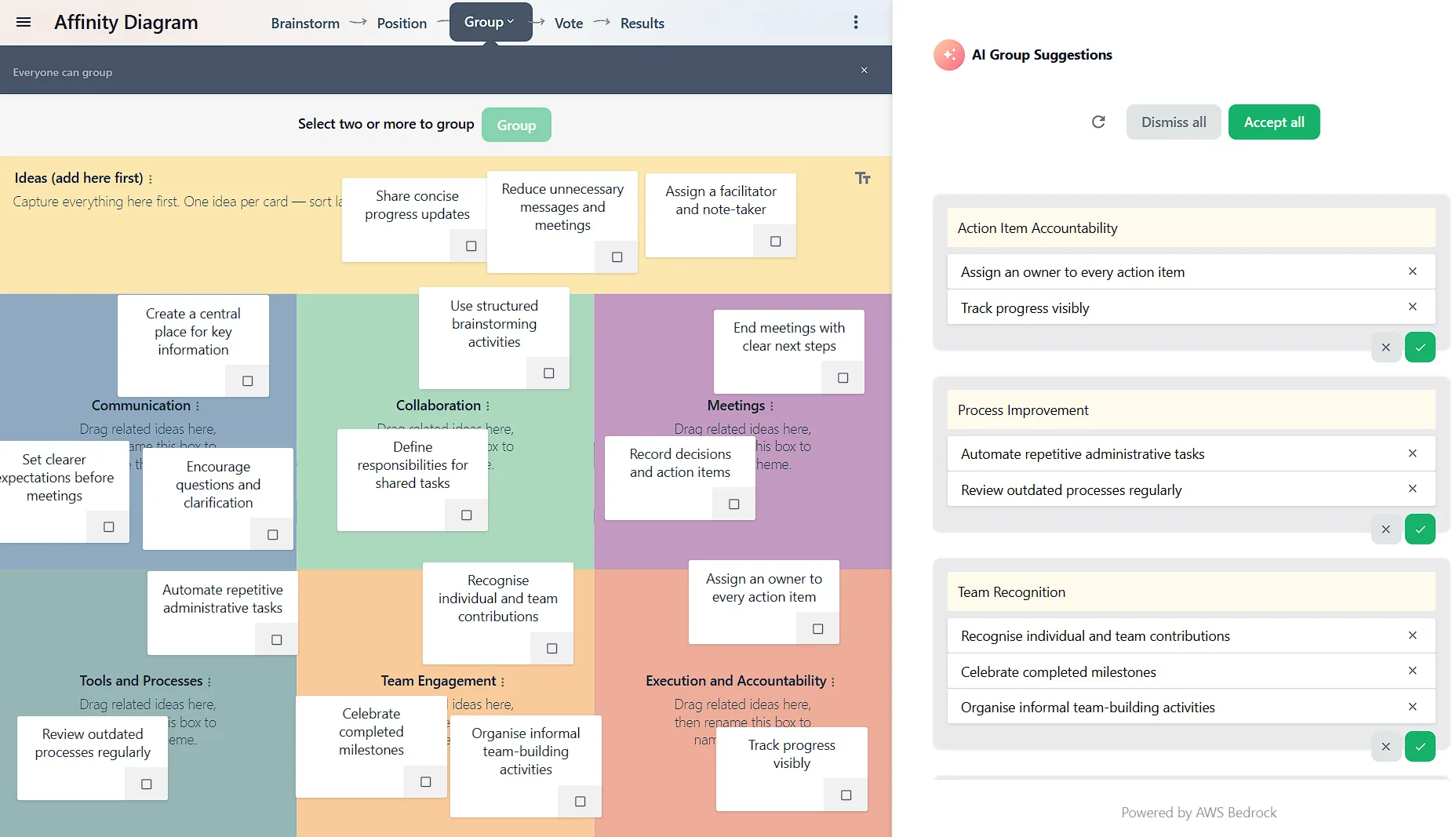
AI affinity mapping: group a wall of ideas into themes in seconds
GroupMap's AI grouping suggests themed clusters for your brainstormed ideas. Accept or dismiss each one, then move the room straight to voting.
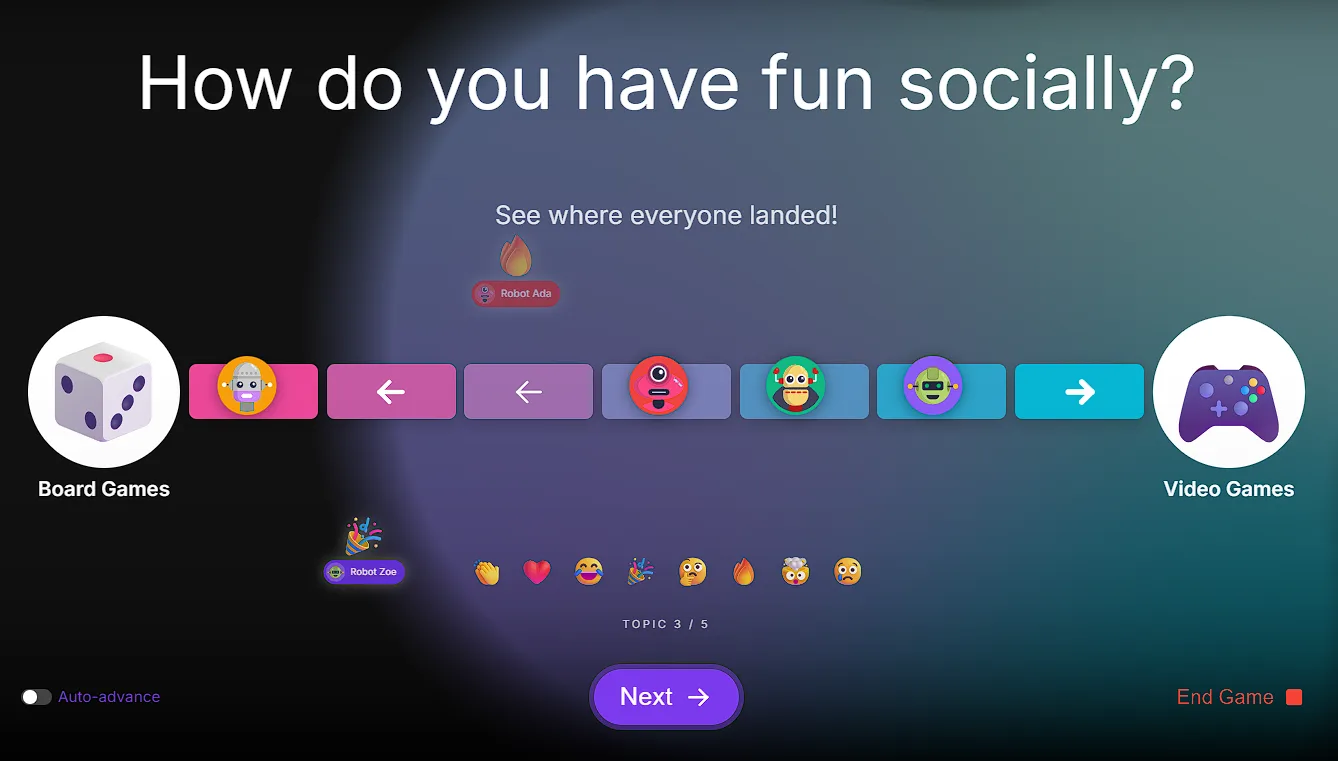
15+ cool icebreaker games you can run at your next meeting
Ready to add energy, get the room moving and talking? Warm up the whole room before you run your agenda with this collection of icebreaker games.
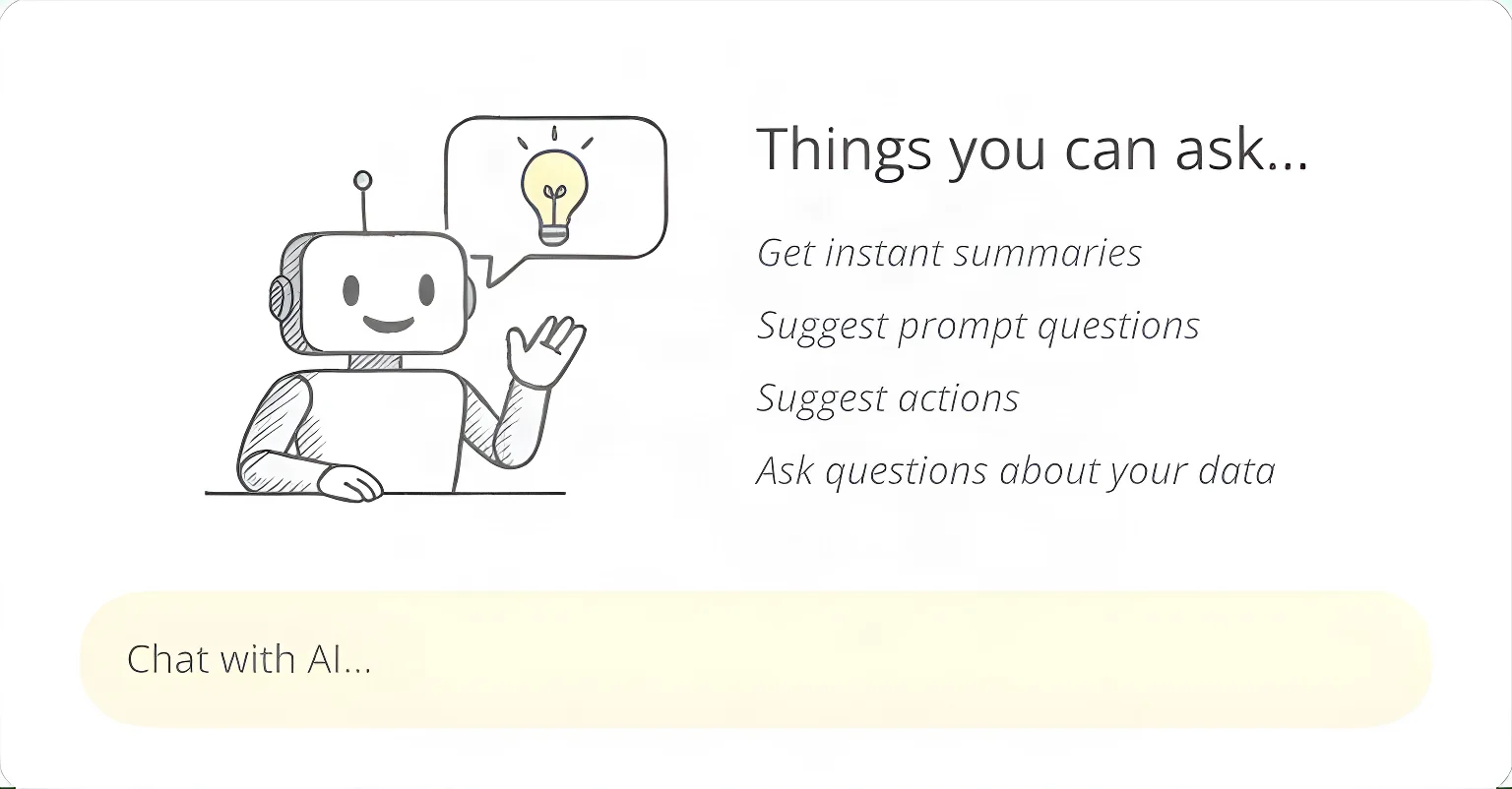
Meet Atlas: the AI facilitator built into your GroupMap session
GroupMap's AI facilitator reads what your team just wrote, mid-session. Visible to you alone, never to the group.
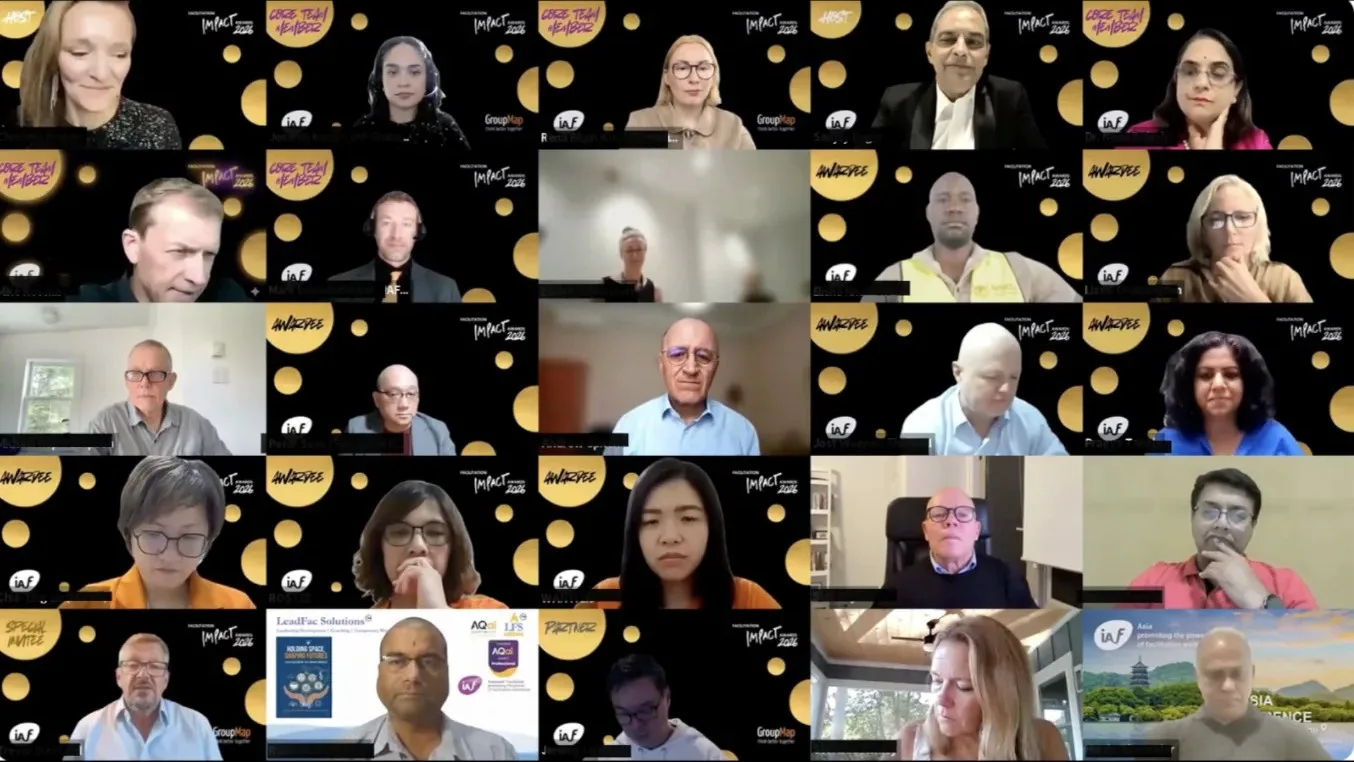
6 facilitation techniques we heard from IAF award winners
22 award-winning organizations shared the facilitation techniques that actually work. Here's what we heard from the IAF's winners.
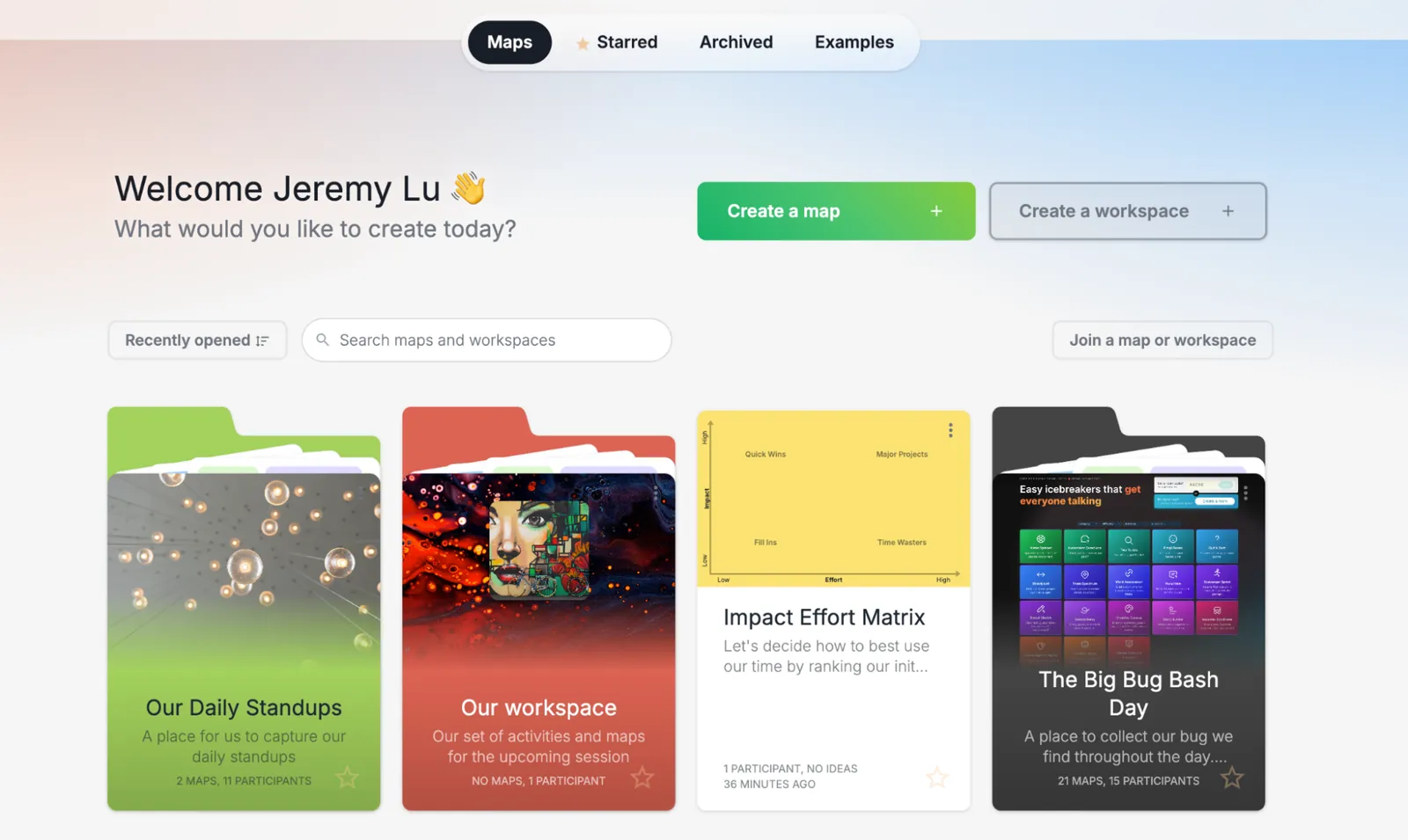
GroupMap just got a glow-up: And we think you're going to love it
GroupMap's mid-2026 redesign brings workspace customization, a more prominent AI Facilitator, and a cleaner map setup, without changing how anything works.

Want to save time in 2026? Try these meeting alternatives
Cut calendar clutter in 2026 with alternatives to meetings: async updates, decision docs, office hours and AI summaries to keep work moving.

Online workshop facilitation tools for 2026
Build your 2026 toolkit with online workshop facilitation tools: plan agendas, engage participants, and capture actions with AI efficiently.
Season’s greetings from GroupMap – thank you
Season greetings from GroupMap — celebrating customers, partners, and our community. Wishing you a joyful season and a collaborative 2026.

6 easy ways GroupMap can level up your online brainstorming meeting
Run a more focused online brainstorming meeting with 6 practical tips to boost participation, structure ideas, and improve follow-up fast.

Transitioning to native AWS services, December 2022.
GroupMap Hosting Notification December 2022 - Amazon WebServices, Heroku Salesforce migration.
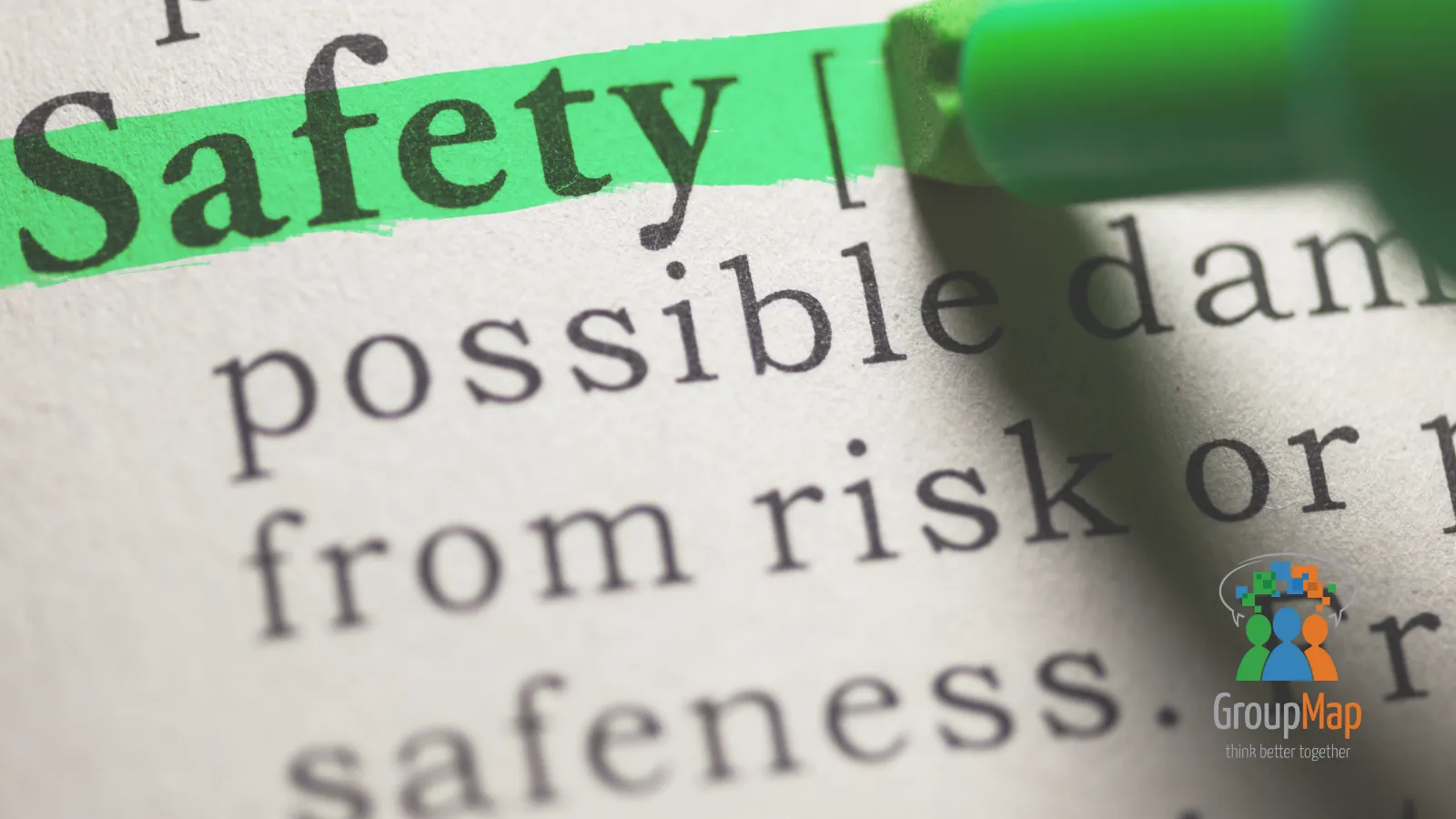
Creating a psychologically safe space for better collaboration
We define psychological safety (what it is and what it isn't), then explore why it matters and how it strengthens team collaboration.
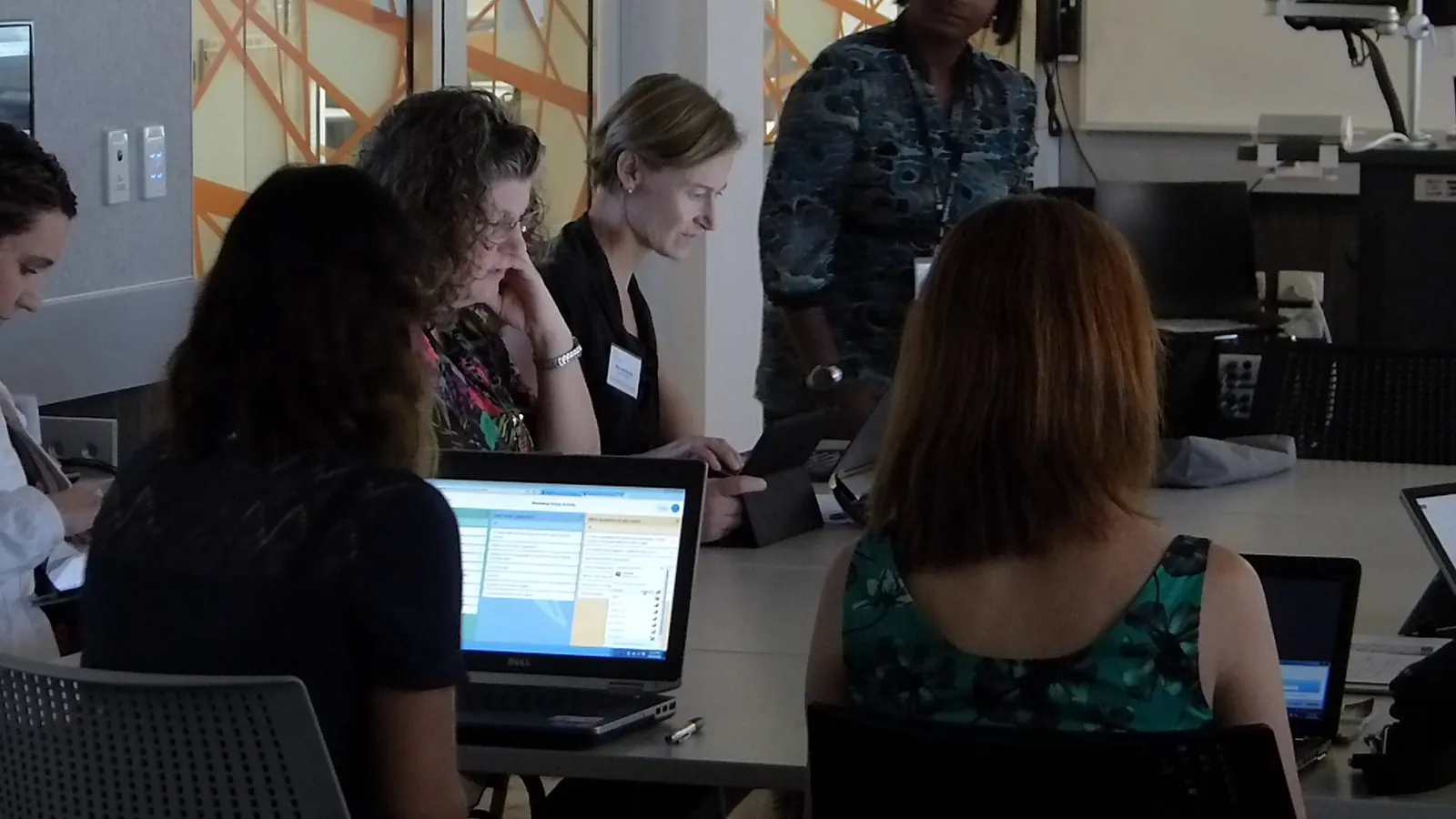
Teaching and learning forum
Educators share how they engage students in group discussion and collaborative learning, and speed up the feedback process.

Three easy ways to foster gratitude in the workplace
Boost morale and team culture with three simple ways to foster workplace gratitude using GroupMap — templates, live input, and tracking.
5 great ground rules for effective meetings
We share our 5 best ground rules to help you deliver more effective meetings.
5 effective facilitation tools to improve online meetings
Using the right tool for the job makes all the difference. We look at five simple facilitation tools that will take your online meeting...
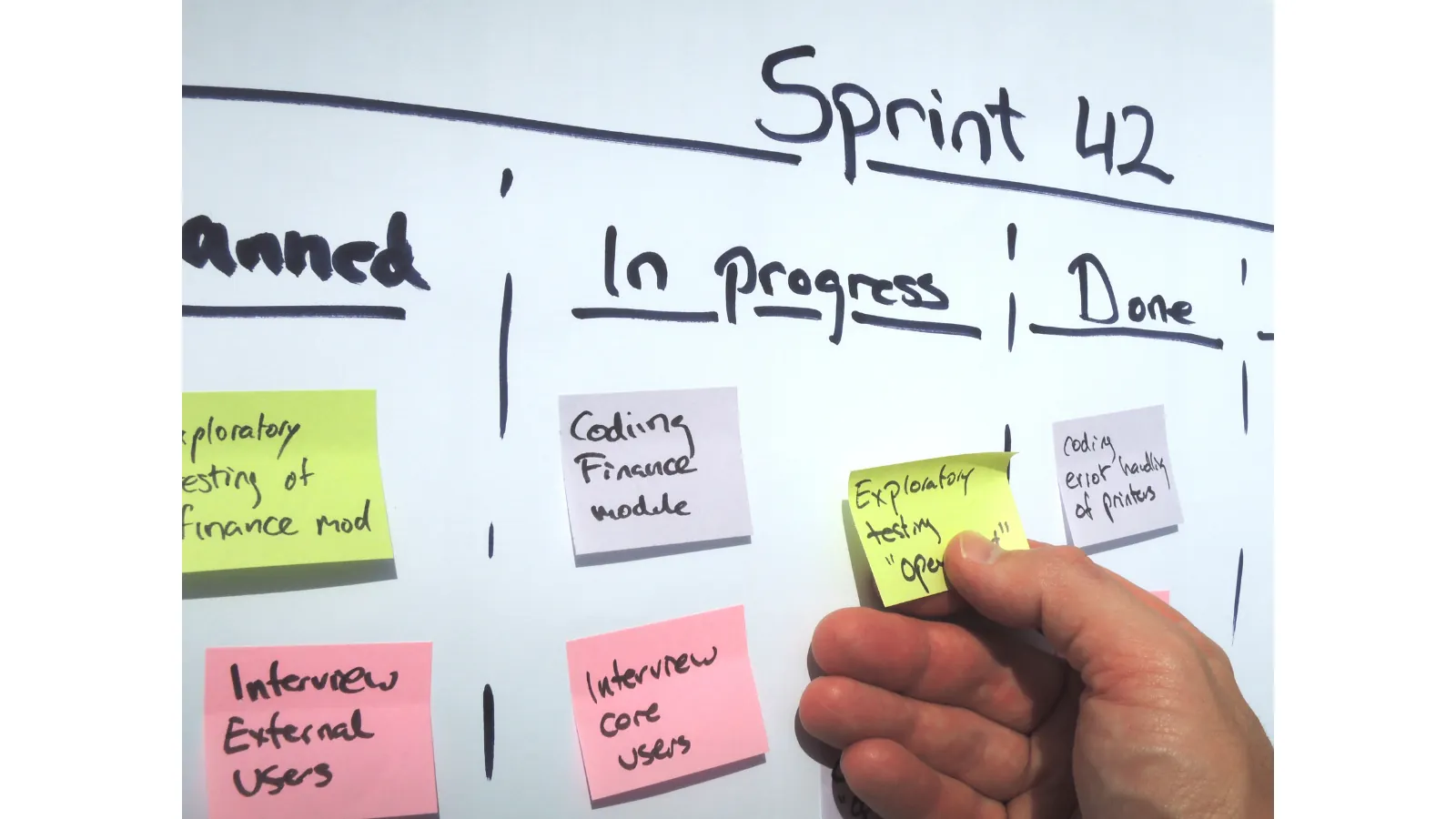
Using Agile retrospective boards to run online meetings with your team
Run engaging online Agile meetings with digital retrospective boards — structure feedback, prioritize actions, and boost learning in GroupMap.
Facilitating more inclusive meetings for introverts
Useful techniques to make meetings more inclusive for introverts: use an agenda, keep meetings short, explore preferences and allocate tasks.

The 7 secrets of productive meetings
The seven secrets of productive meetings: ask if the meeting is needed, set ground rules, and use time limits, delegation and follow-through.

Easy ways to develop key collaboration skills
Collaboration skills are highly valued in the workplace. We look at four key collaboration skills and how you can easily develop them.

How online brainstorming templates, tools and techniques can improve your meetings
Discover online brainstorming tools, templates, and techniques that improve meeting structure, participation, and idea quality.
6 facilitation techniques to inspire productivity in meetings
Meetings are important, so we share our 6 top tips to help you inspire productivity and make the most of your meeting time.

Want to facilitate an online class discussion?
We look at the importance of class discussion to the learning process and how to deliver it online.

5 reasons why your team should start virtual brainstorming
We look at the impact of virtual brainstorming and how to do so successfully.
Why meeting agendas are important
Learn the importance of meeting agendas: set clear objectives, keep discussions on track, save time, and drive accountable outcomes.
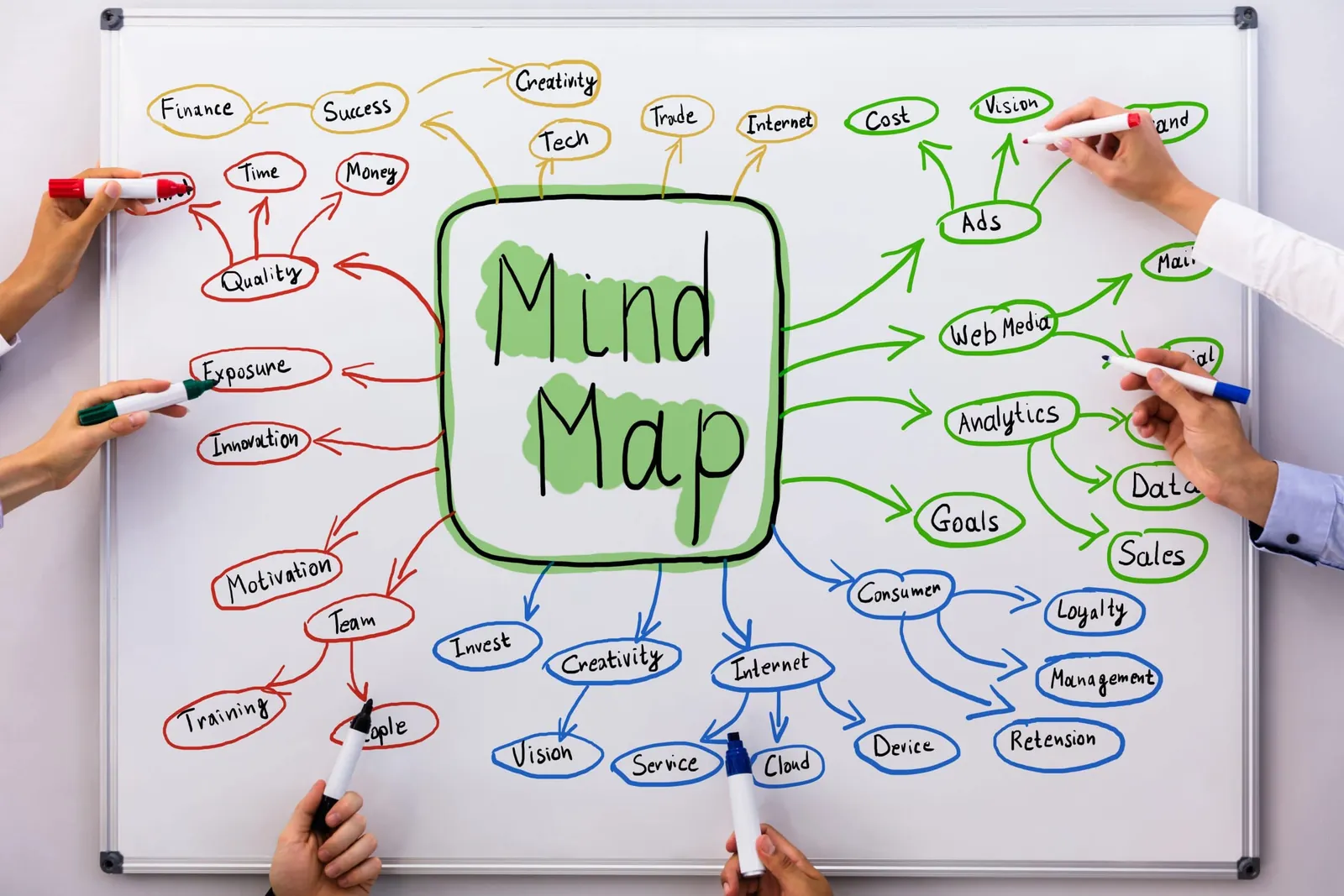
The basics of Mind Mapping — what you need to know when brainstorming online.
We cover the basics of mind mapping to make it easier for you to get the most out of your brainstorming sessions.
Keeping groupthink out and teamwork in
Learn how to avoid groupthink with proven facilitation tactics that spark diverse ideas and better decisions while boosting teamwork.
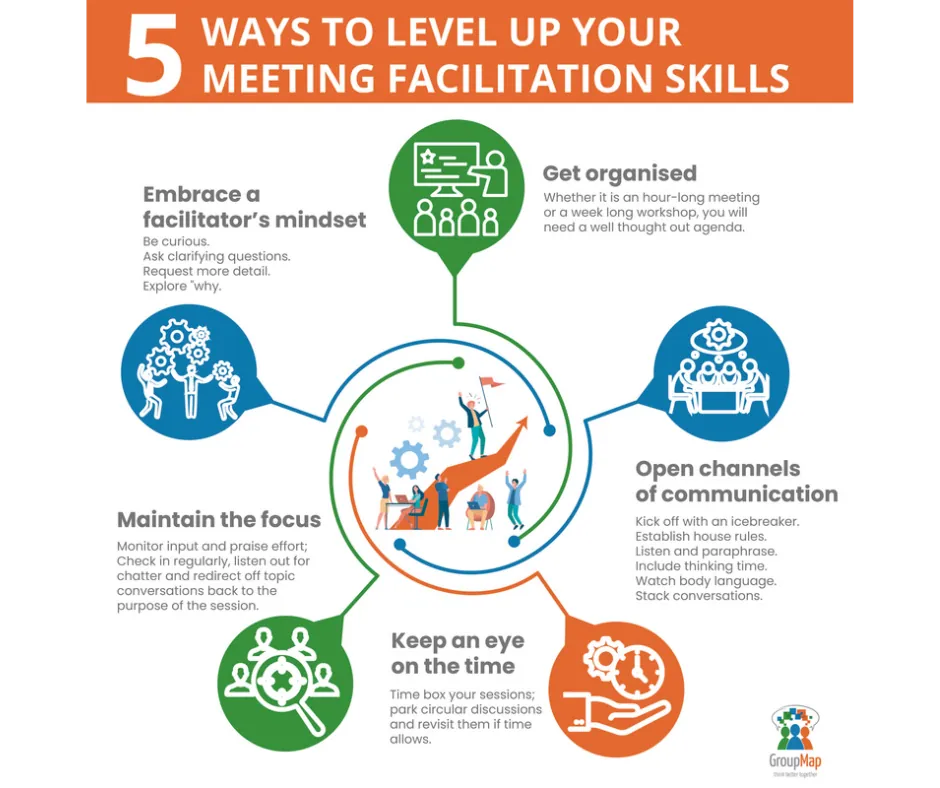
5 ways to level up your meeting facilitation skills
Boost your meeting facilitation skills with five techniques and tools. Build confidence, engage participants, and lead outcomes that last.
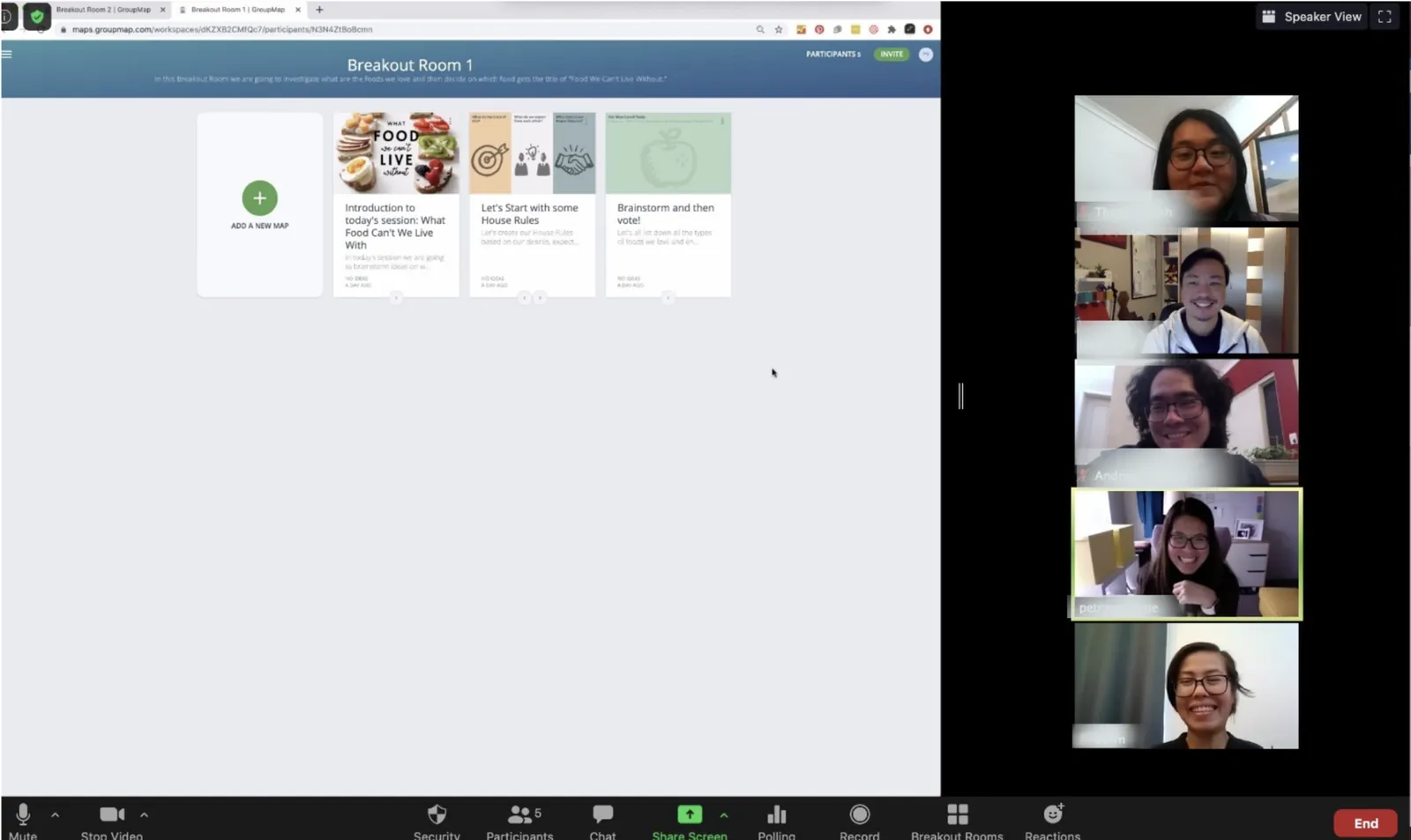
Zoom break out rooms and GroupMap for remote meetings
Run smoother workshops in Zoom using GroupMap inside breakout rooms — capture ideas, prioritize votes, and sync results back to plenary.
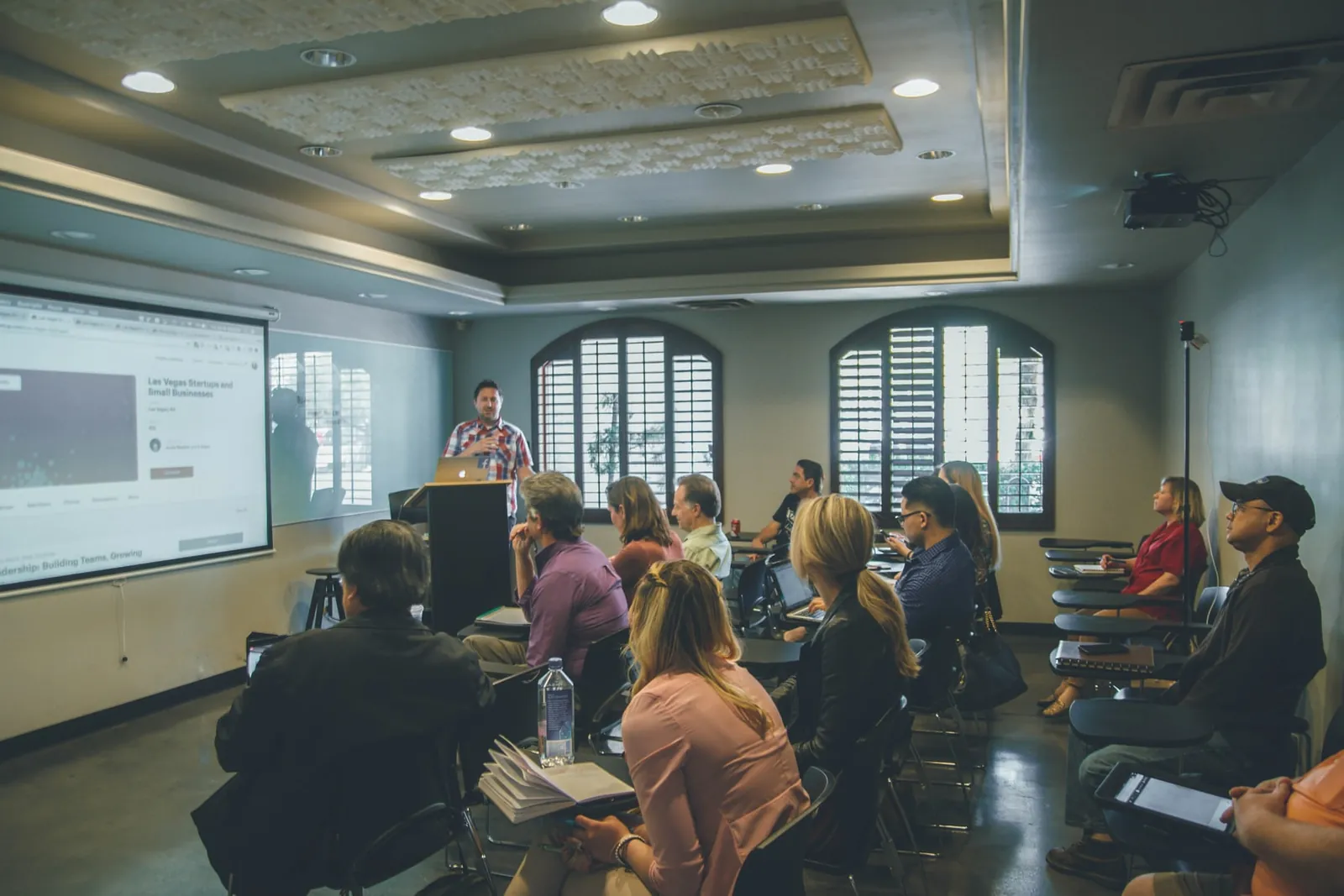
5 activities for creating engaging workshops with impact
Running engaging workshops can be a challenge! Here we share 5 activities in GroupMap that can help you run engaging workshops with impact!
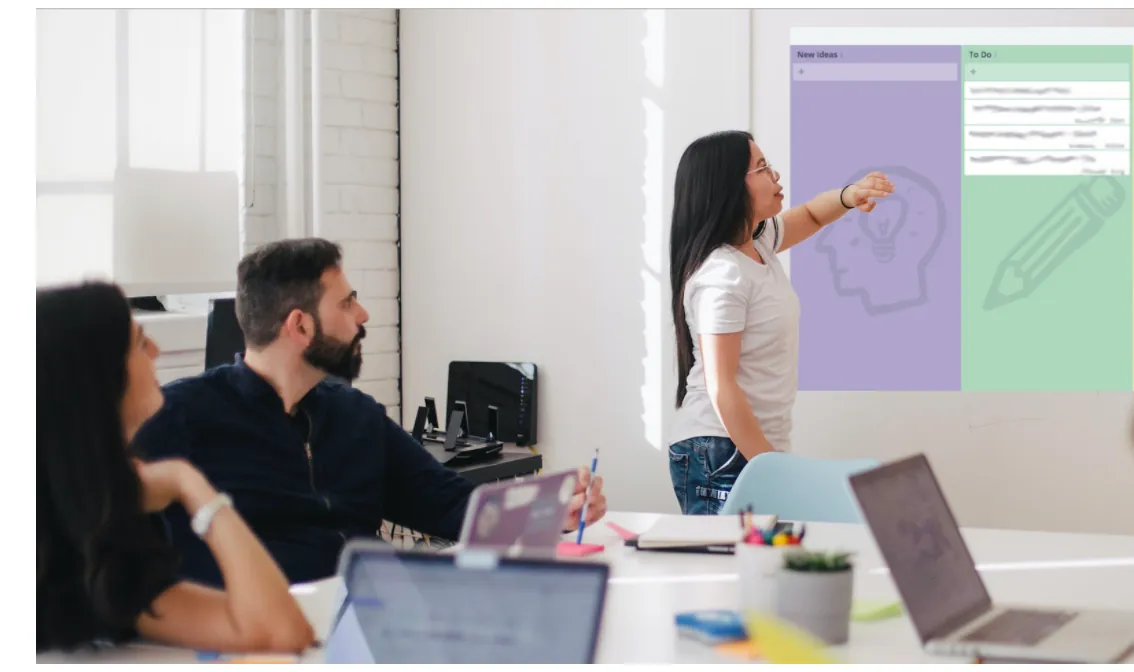
Top 3 metrics to measure your workshop success
We look at the top three workshop success metrics that you can use, including workshop specific metrics, individual goal metrics & facilitator metrics.
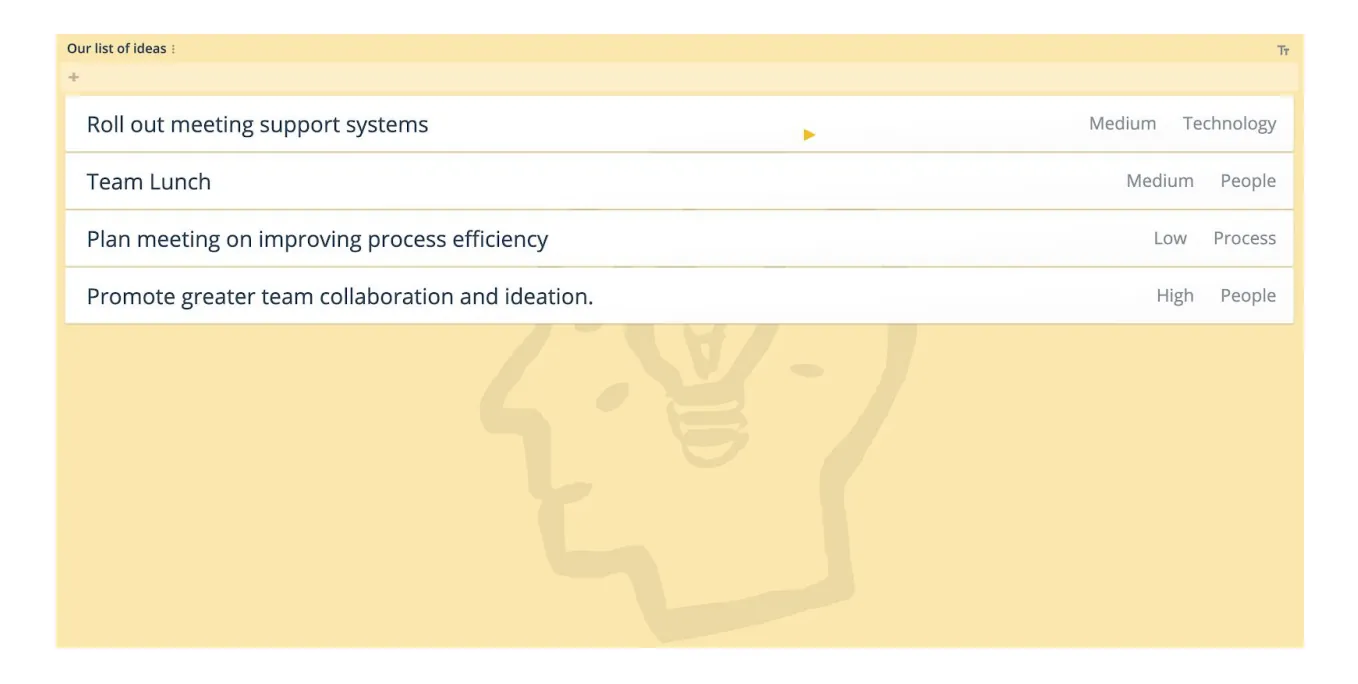
Workshop facilitation feature spotlight: Tagging ideas
Tagging ideas from your GroupMap brainstorming session so that you can filter and identify key focus areas is one engaging workshop tool.
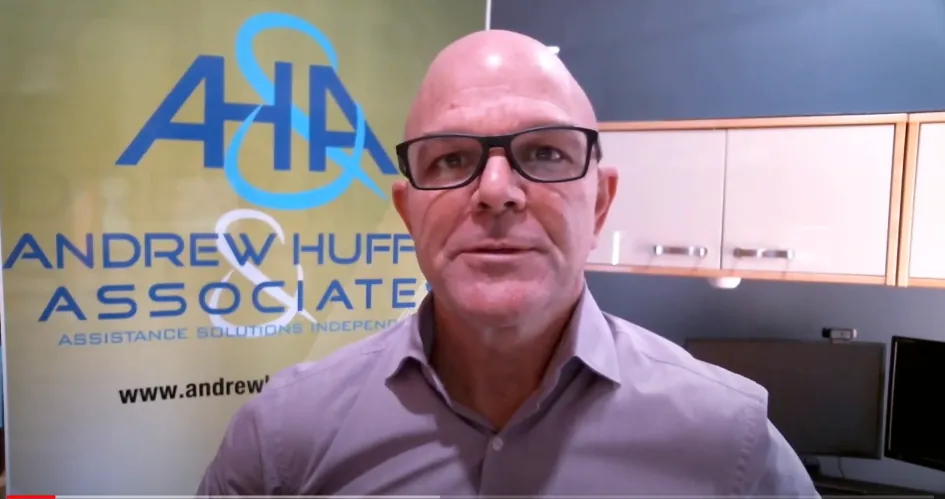
Tips for online stakeholder engagement
Facilitator Andrew Huffer shares three tips for online stakeholder engagement: keep participants above the line, give equal airtime, have templates ready.
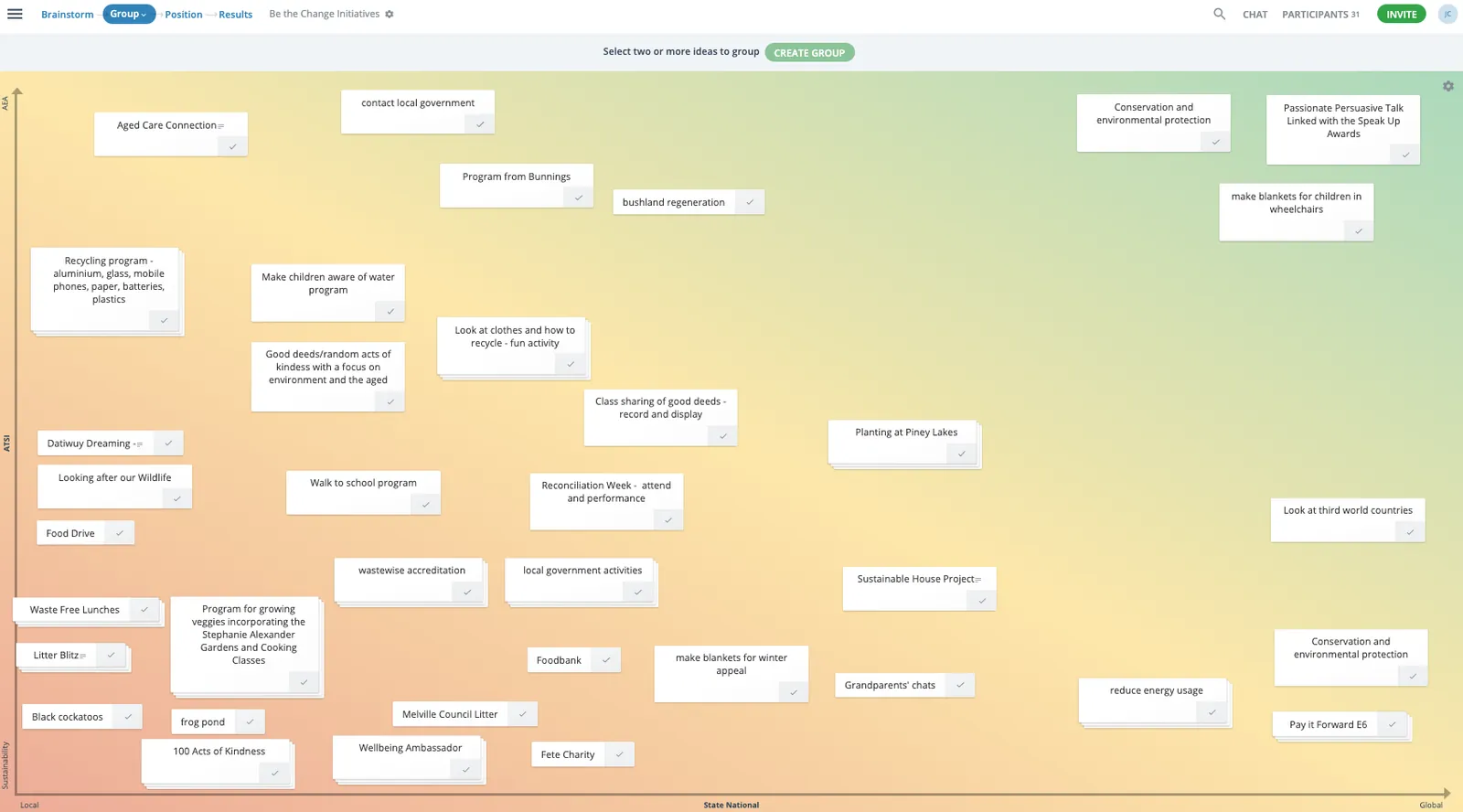
Teaching with technology — going beyond Kahoot, Socrative and other quiz apps.
Discover classroom collaboration tools that boost engagement, teamwork, and feedback. Compare features and tips to improve learning outcomes.
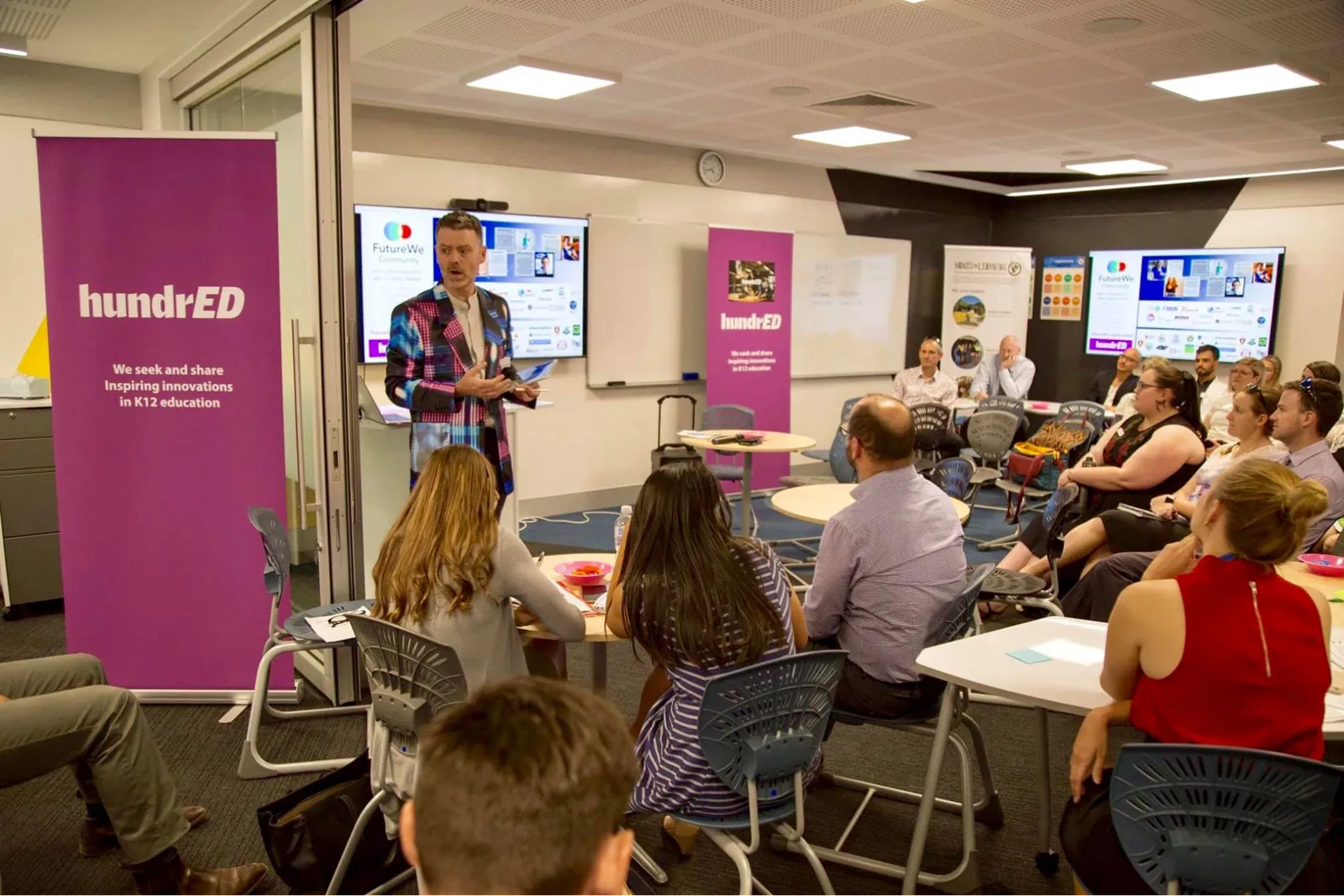
Digital graphic organizers at futures thinking STEAM workshop activity
See how Teacher and Digital Coach creates simple graphic organizers that help facilitate brainstorming and discussion as they explore life in 2035.

IAF facilitator shares workshop and online facilitation techniques for effective brainstorming
The best group brainstorming needs the right mix of techniques, skills and tools. See how this IAF facilitator runs his workshops.
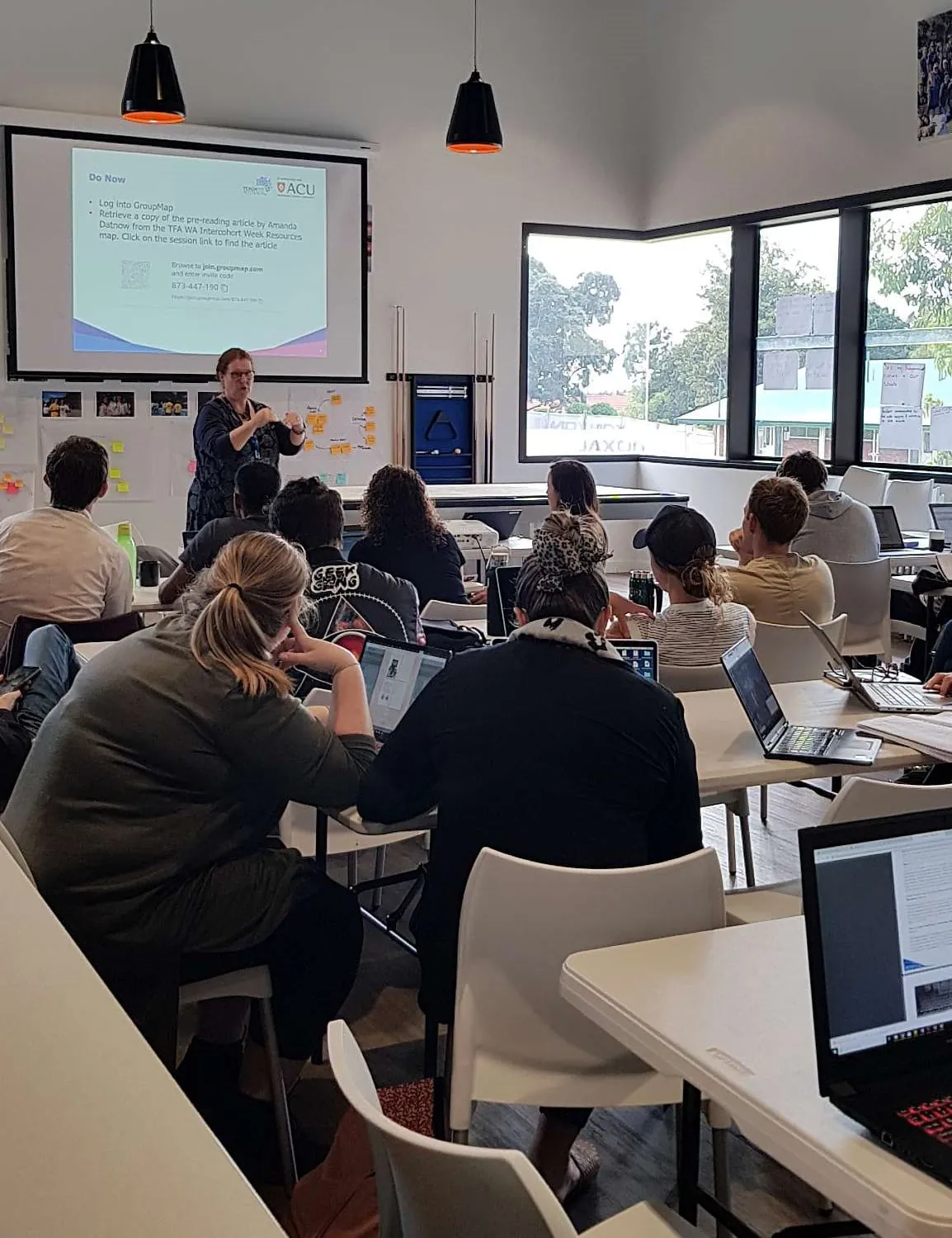
Facilitation tools and techniques for critical thinking at a teacher's PD workshop.
We look at how GroupMap helped to deliver Teach for Australia's week-long professional development program.
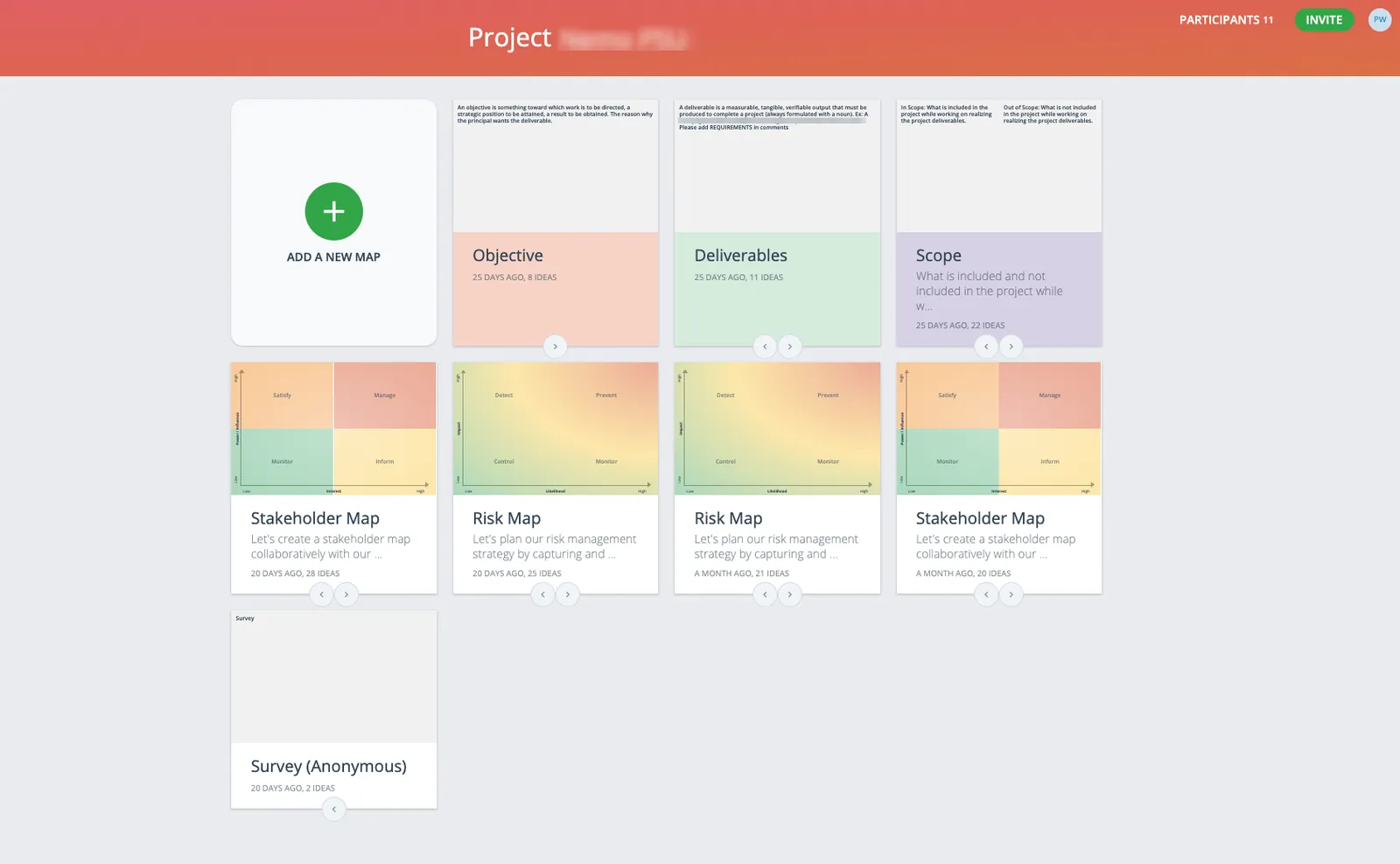
Strategy and time-saving tips for your next continuous improvement meeting.
A Continuous Improvement Manager for a food manufacturing company shares her tips for running efficient meetings with GroupMap.
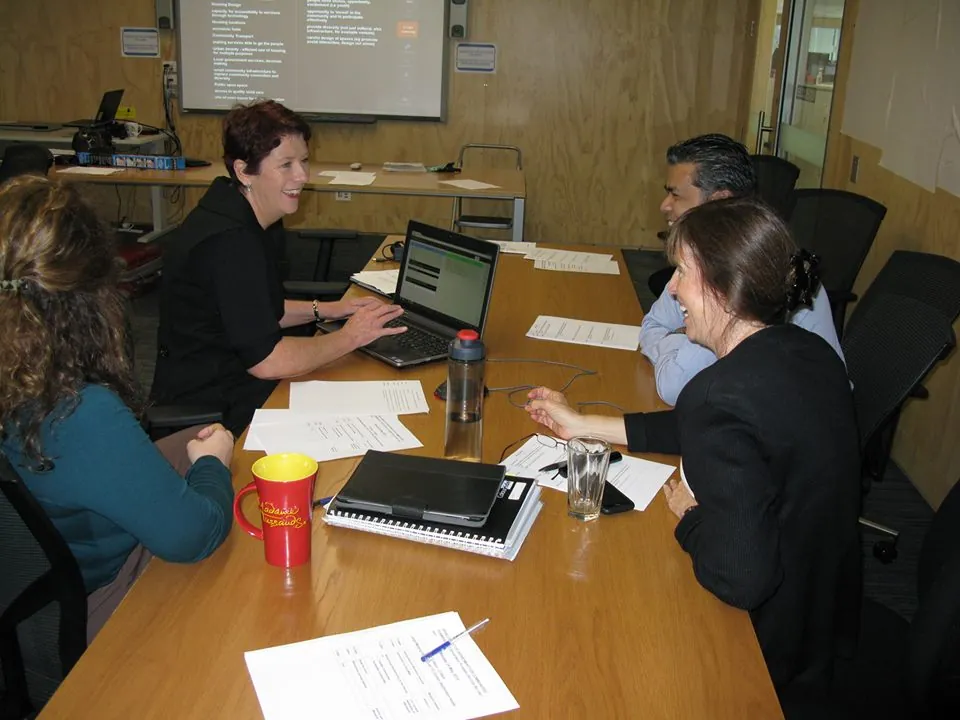
Online brainstorming tools for engaging workshops — talk versus tech.
Running a business meeting or workshop? An online tool can save you a bunch of time and money while allowing everyone in the team to have their say.
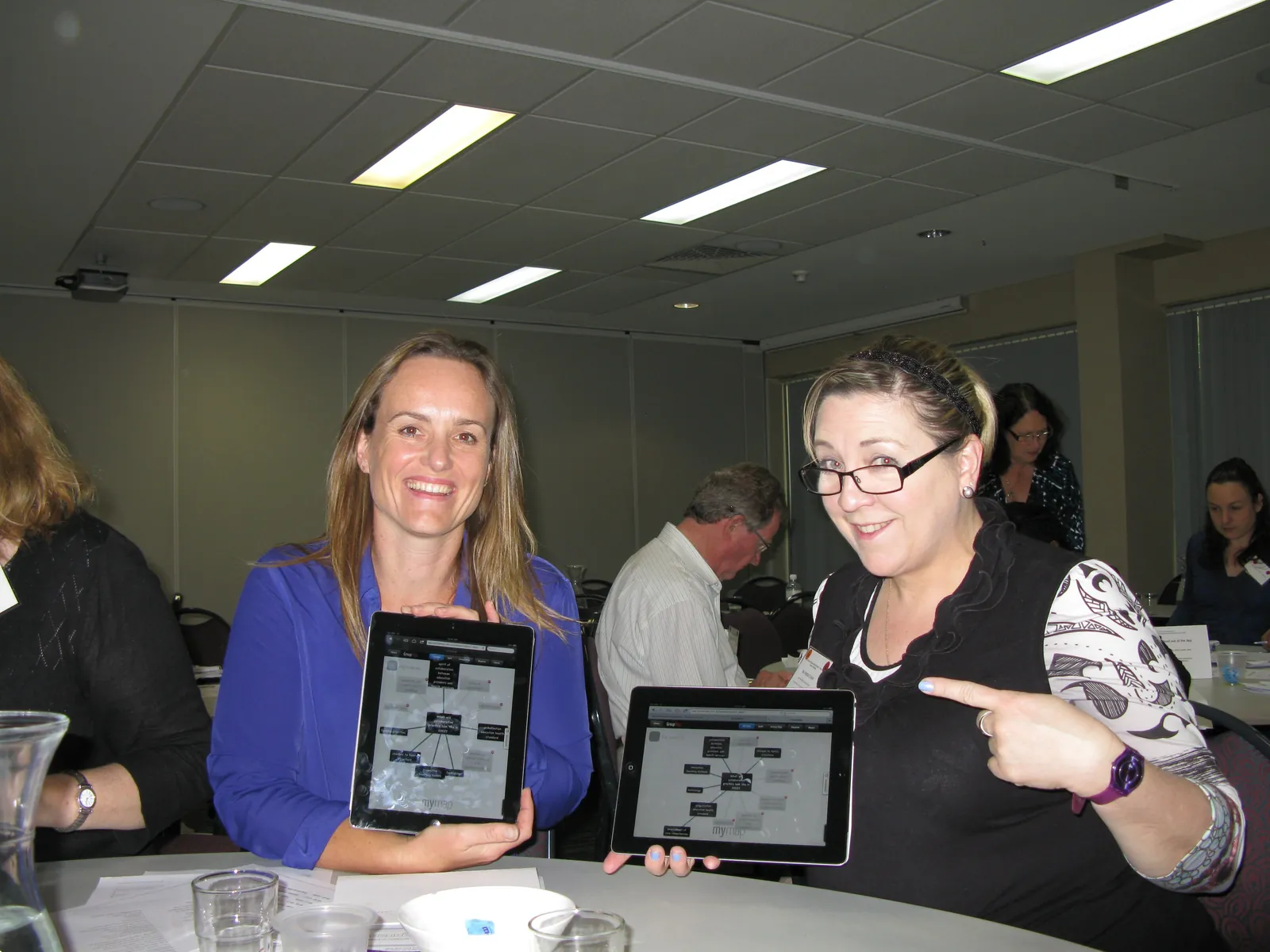
Innovative group response system used as scenario planning software to explore the future of Australia's health
We share how Curtin Research Group turned to GroupMap to support their scenario planning. Their collaborative online brainstorming session.
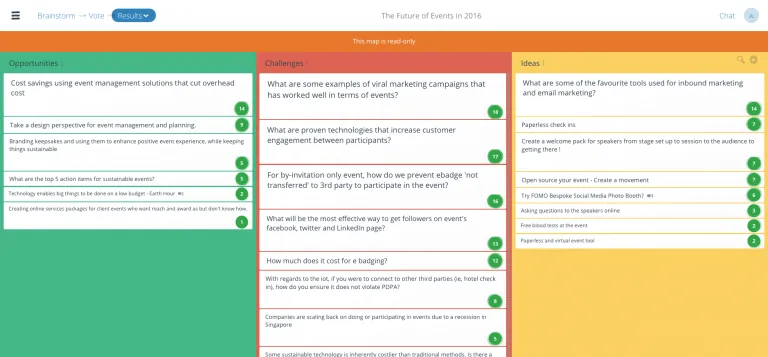
How meeting professionals engage their audience — workshop ideas.
Easily create visual templates for people to add ideas and vote for the best ones in real time. GroupMap is an award winning digital facilitation tool.
Is group brainstorming really a complete waste of time?
We explore the pros and cons of group brainstorming to assess if it's really worth it.
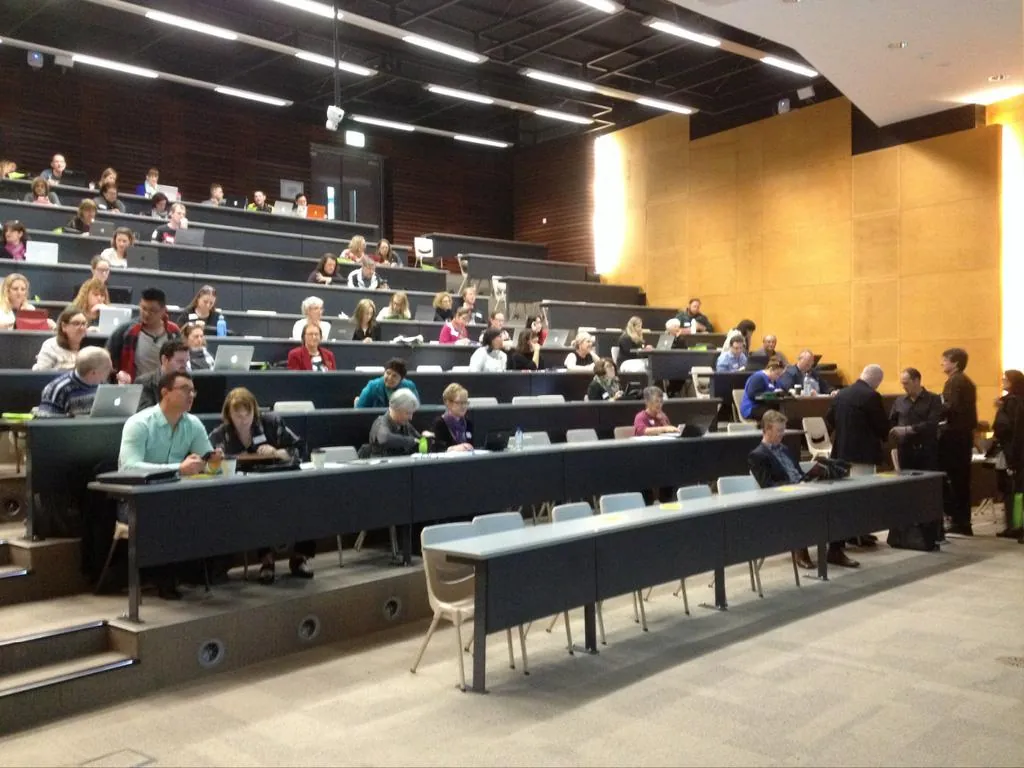
A critical thinking exercise — which would you rather battle?
Boost reasoning with a critical thinking graphic organizer that guides analysis and comparison. Free exercise and tips for teachers.
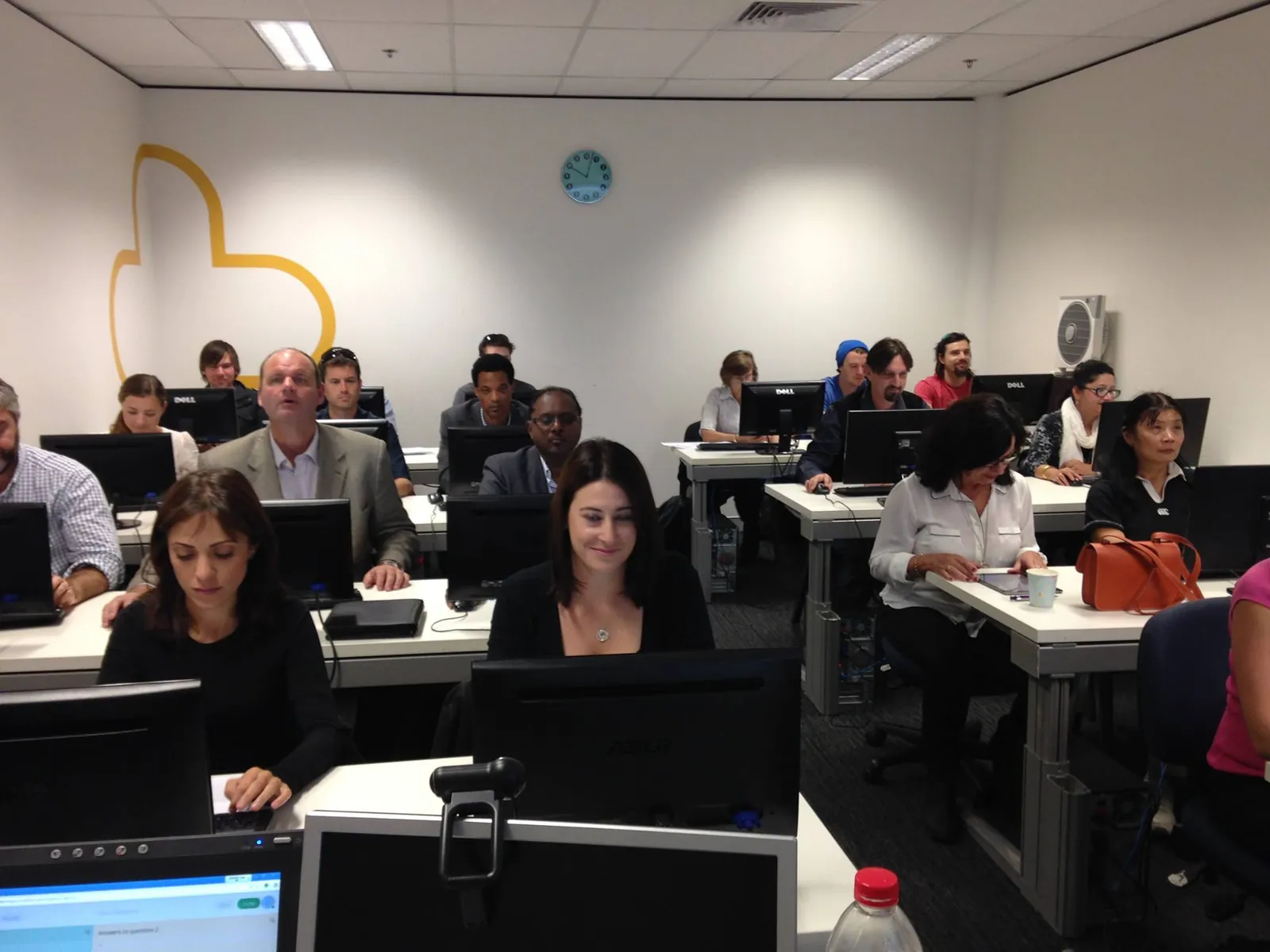
Graphic organizers training at the AICT
Graphic Organizers are a great way to visually capture, order and prioritize ideas to facilitate discussion, decision making and interaction.

Meeting facilitation tools to give quiet team members a voice
Meeting facilitation tools can provide a secret weapon in business strategy by giving introverts a voice in team decision making.

Graphic organizers used to explore future jobs with 200 students
Students brainstormed future jobs on graphic organizers, voted for the most creative then explored the skills, knowledge and attributes needed for that job.
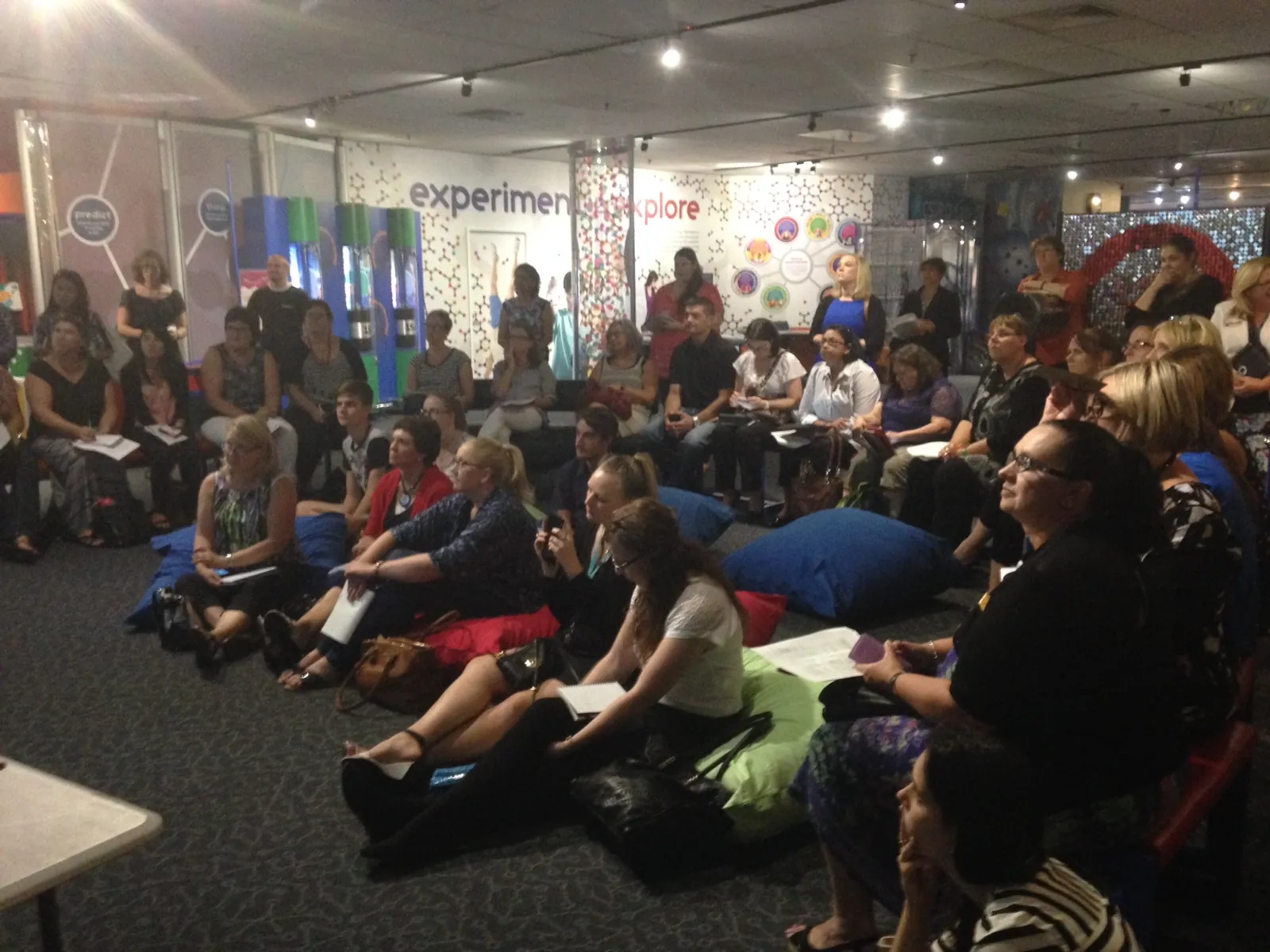
Graphic organizers at the TeachMeet SciTech event
Graphic Organizers to help improve scientific inquiry at the SciTech TeachMeet Event.
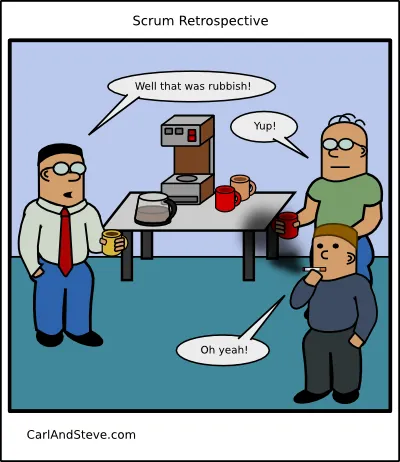
How do I make my agile retrospective more effective?
Retrospectives are a popular way of building strong, productive teams. Here we share our top tips for making your retrospective more effective.
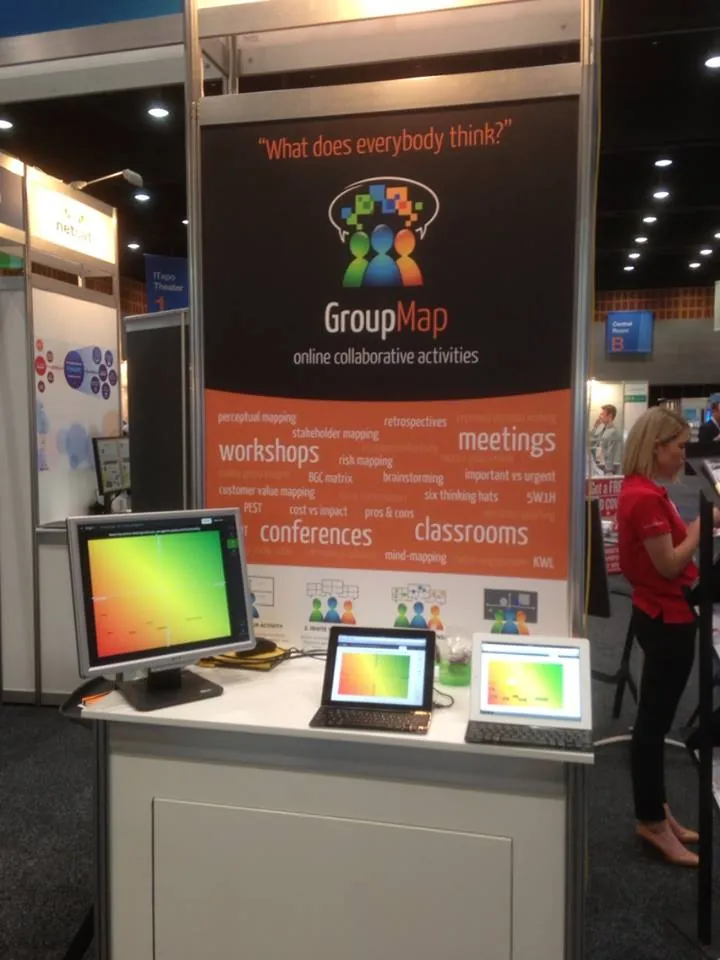
GroupMap exhibits innovative collaboration software at Gartner IT symposium.
GroupMap was one of six Australian companies to showcase at the 2013 Gartner IT symposium

How we got 160 people to brainstorm on GroupMap
Capture ideas that would make the city more innovative. We ended up with over 160 ideas and even a thank you letter from the city’s CEO.

We get creativity tips from 5 industry leaders
We attended the Pause Fest 2013 and met with 5 industry leaders who shared their top creativity tips.
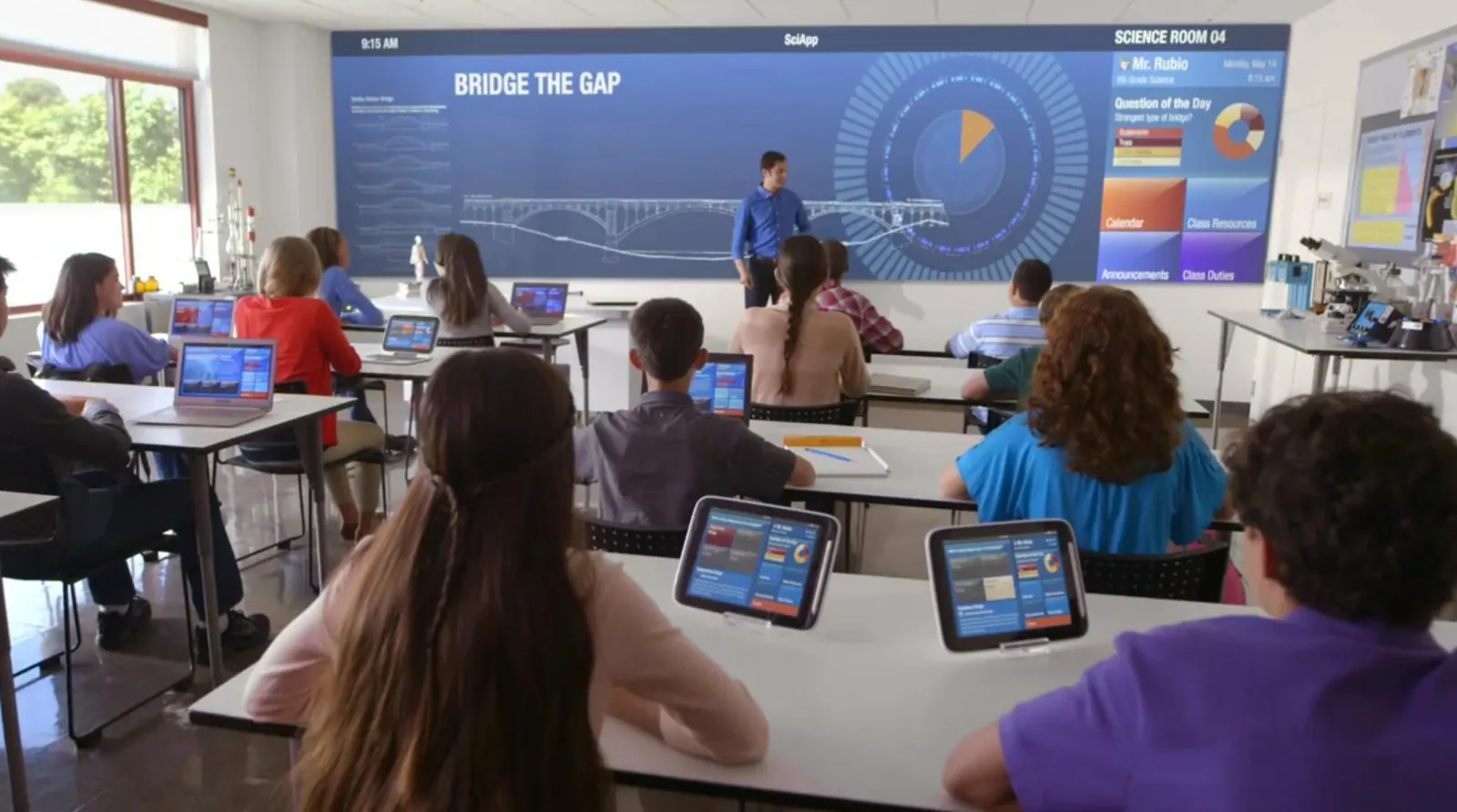
A lesson plan for more effective brainstorming
We outline an easy-to-follow process to facilitate effective group brainstorming in the classroom.
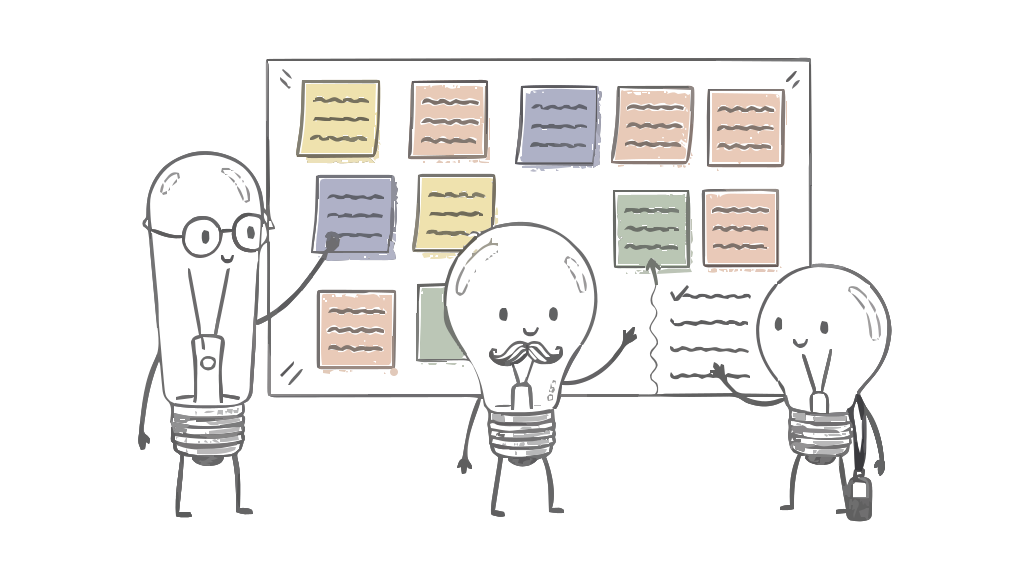
How smart are your kids?
GroupMap is used in the classroom to explore what it means to be smart.

Finally… "I" can come back into team
We look quickly at collaboration and how the individual plays an important part.
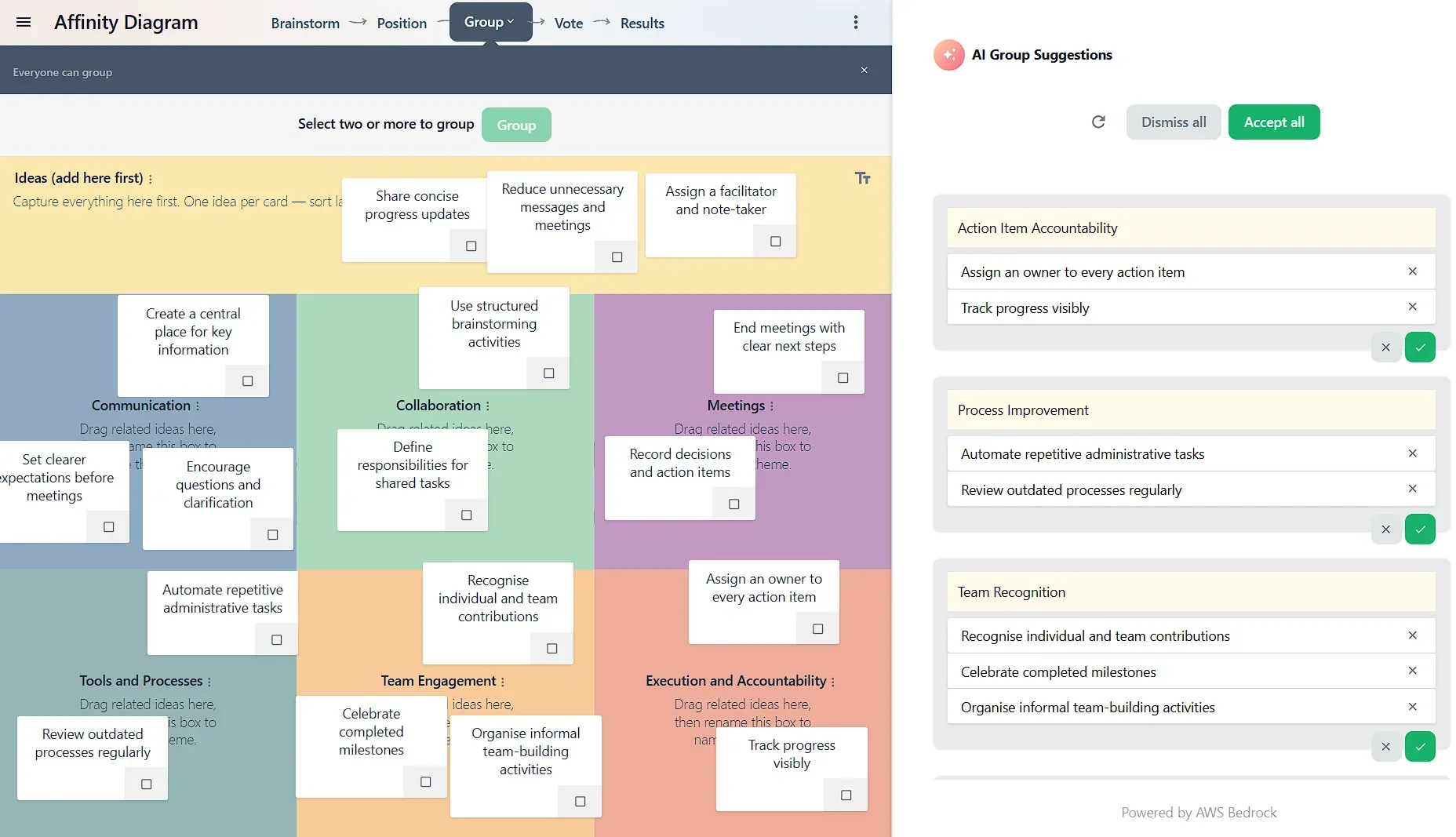
GroupMap's AI grouping suggests themed clusters for your brainstormed ideas. Accept or dismiss each one, then move the room straight to voting.
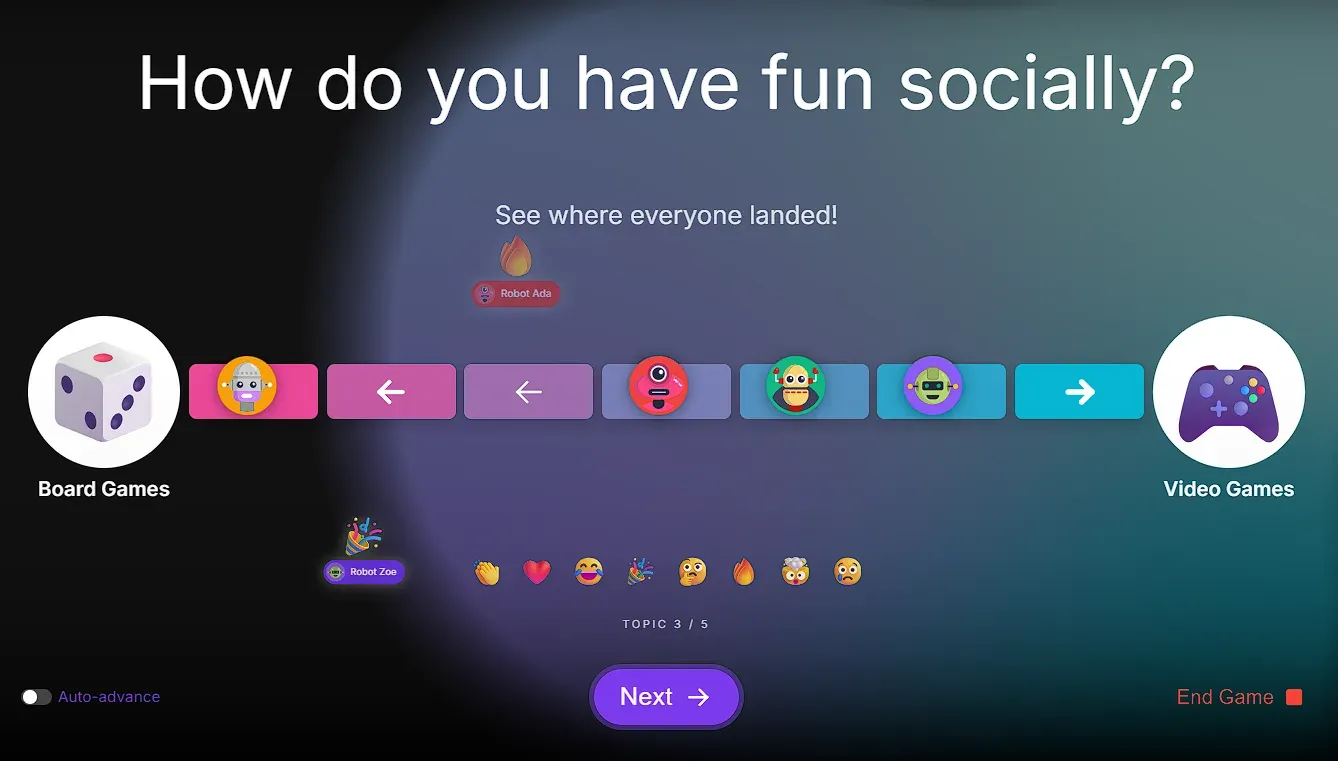
Ready to add energy, get the room moving and talking? Warm up the whole room before you run your agenda with this collection of icebreaker games.
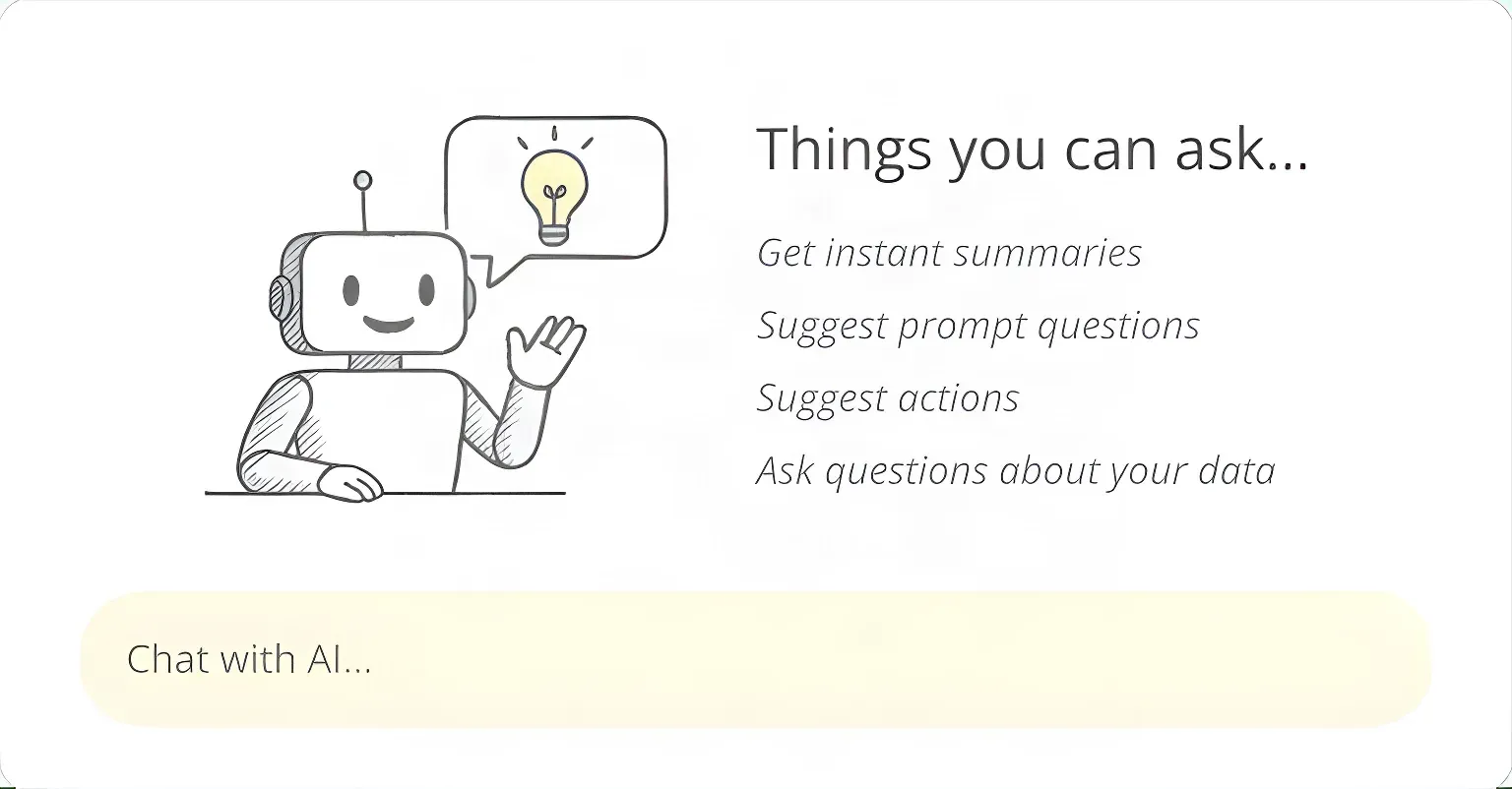
GroupMap's AI facilitator reads what your team just wrote, mid-session. Visible to you alone, never to the group.
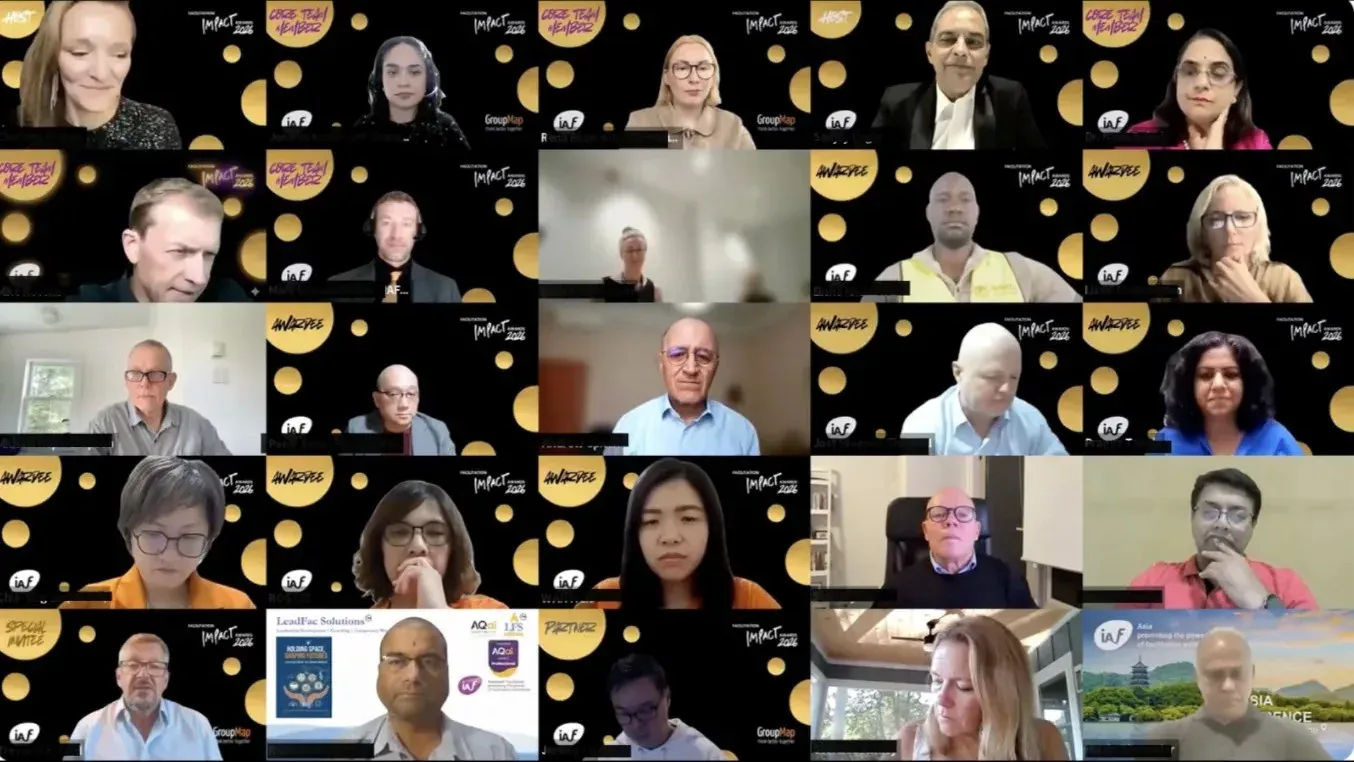
22 award-winning organizations shared the facilitation techniques that actually work. Here's what we heard from the IAF's winners.
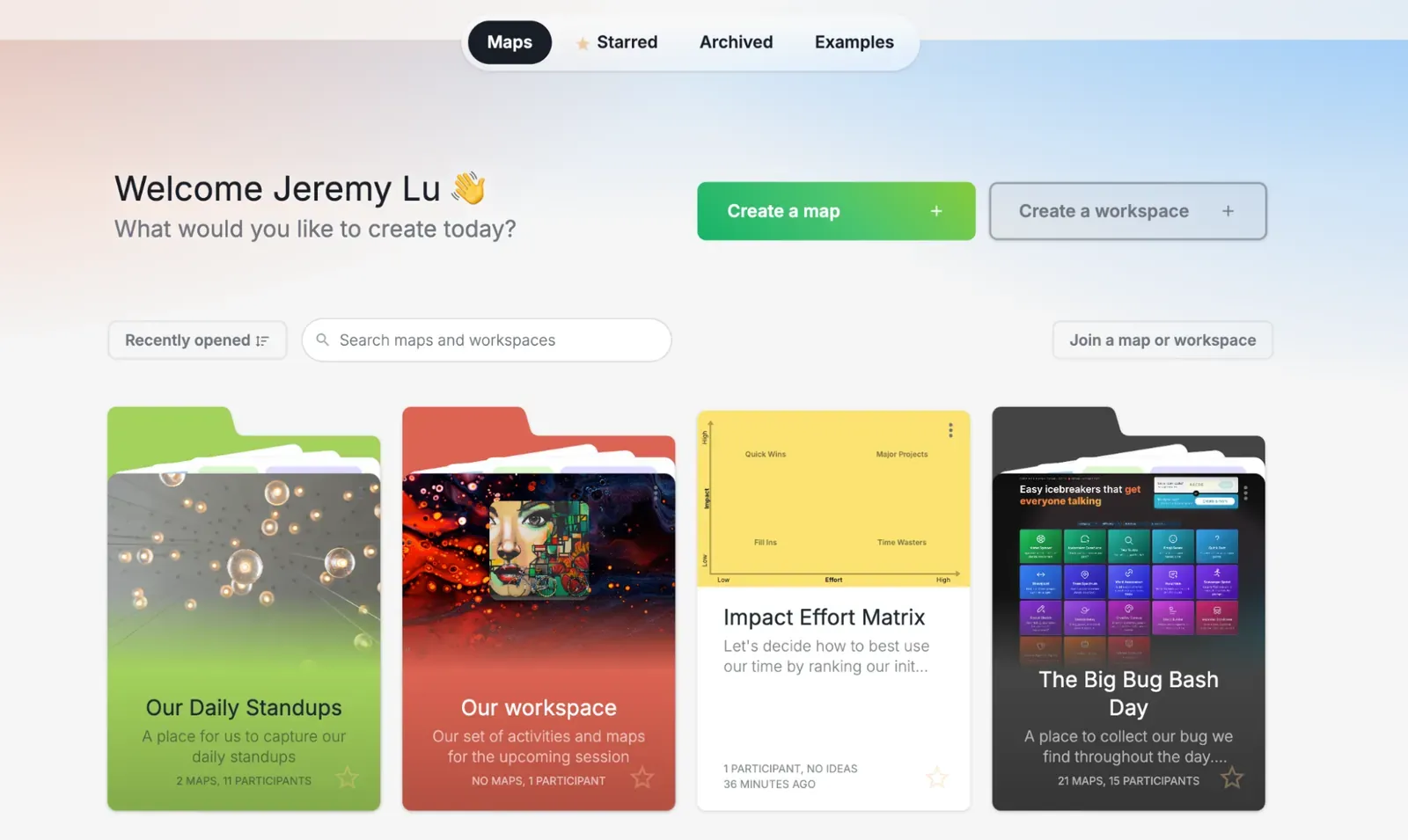
GroupMap's mid-2026 redesign brings workspace customization, a more prominent AI Facilitator, and a cleaner map setup, without changing how anything works.

Cut calendar clutter in 2026 with alternatives to meetings: async updates, decision docs, office hours and AI summaries to keep work moving.

Build your 2026 toolkit with online workshop facilitation tools: plan agendas, engage participants, and capture actions with AI efficiently.
Season greetings from GroupMap — celebrating customers, partners, and our community. Wishing you a joyful season and a collaborative 2026.

Run a more focused online brainstorming meeting with 6 practical tips to boost participation, structure ideas, and improve follow-up fast.

GroupMap Hosting Notification December 2022 - Amazon WebServices, Heroku Salesforce migration.
We define psychological safety (what it is and what it isn't), then explore why it matters and how it strengthens team collaboration.
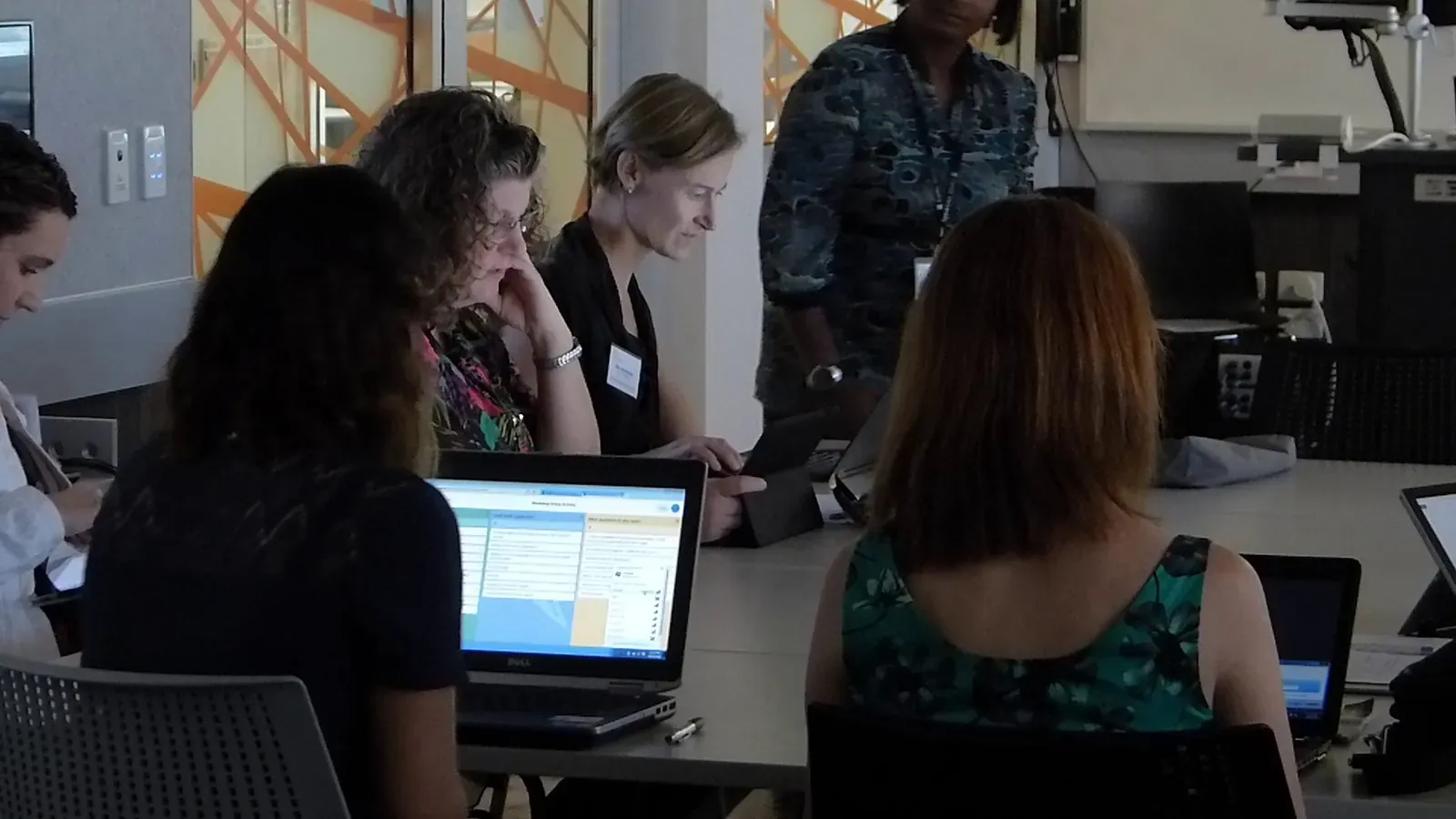
Educators share how they engage students in group discussion and collaborative learning, and speed up the feedback process.