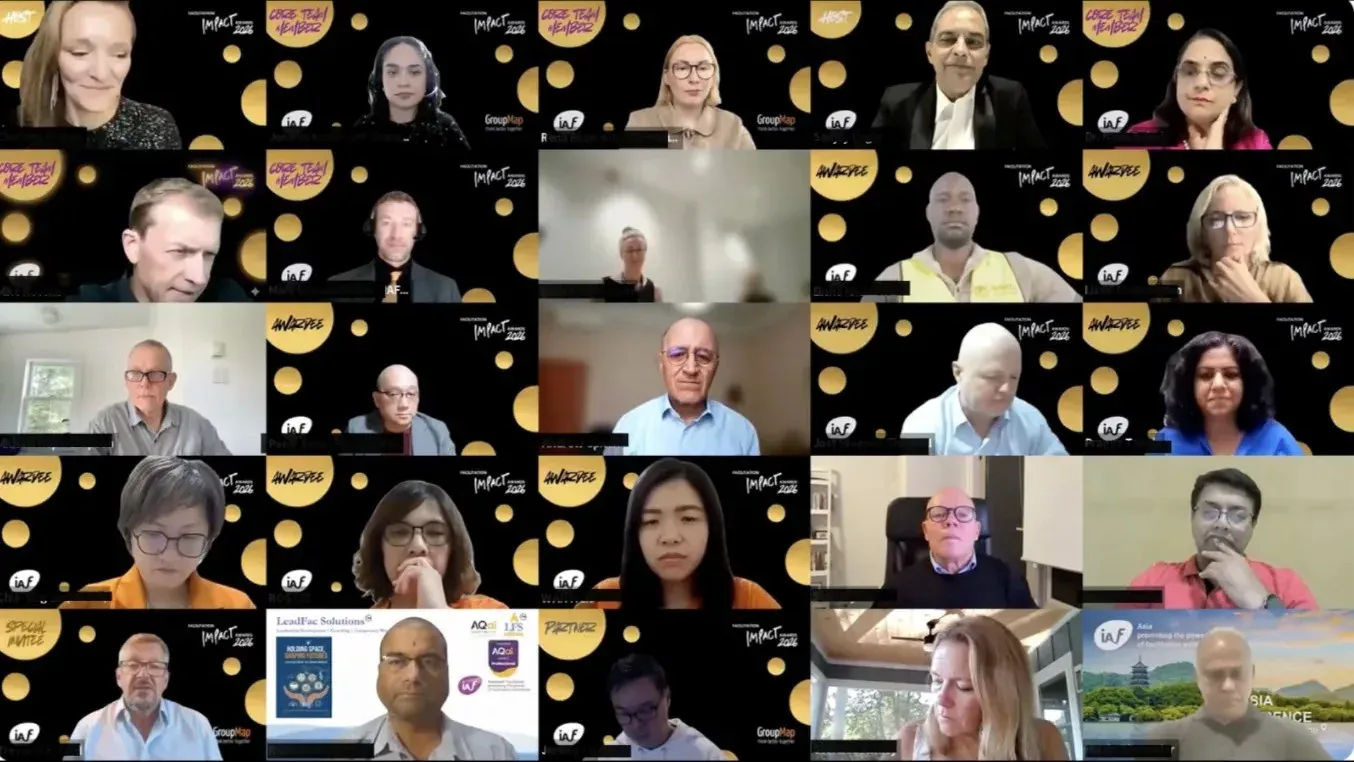
6 facilitation techniques we heard from IAF award winners
22 award-winning organizations shared the facilitation techniques that actually work. Here's what we heard from the IAF's winners.
A few weeks ago, our team spent an evening in breakout rooms with professional facilitators from around the world for the Facilitation Impact Awards, run by the International Association of Facilitators (IAF). We weren’t there to pitch anything. We went to listen, and what we walked away with was a genuinely useful window into the facilitation techniques that hold up when the stakes are real: a boardroom stuck on a decision, a room full of stakeholders who don’t normally get heard, a project quietly losing momentum.
This post is our attempt to pass that on. We’ll cover what the Awards actually recognize, how GroupMap fits into the day from pre-event planning through to a follow-up workshop, and then the six facilitation techniques that kept surfacing across five very different breakout rooms. They hold up whether or not you ever touch a GroupMap workspace.
What are the IAF Facilitation Impact Awards?
The Facilitation Impact Awards, run by the IAF, score organizations on the measurable impact of their facilitation work. That’s a deliberate distinction: they recognize the organizations that used facilitation and can point to what changed because of it, not the firms or individual facilitators who provided it.
This year’s honorees spanned a striking range of industries and countries: a national library, a mining operation, a school nutrition association, a university law faculty, 22 organizations in total. You’ll find the full roster with links at the end of this post. It’s worth noting how they were organized for the day, into five breakout themes: Strategy, Transformation & Future Direction; Community, Participation & Social Impact; Culture, Leadership & High-Performing Teams; Networks, Partnerships & System Change; and Operational Excellence, Infrastructure & Complex Change.
Different rooms, different sectors, different continents. But the same underlying story kept surfacing in every one of them: something changed once facilitation entered the picture. If you want to see the ceremony itself, you can watch the replay of the event here.
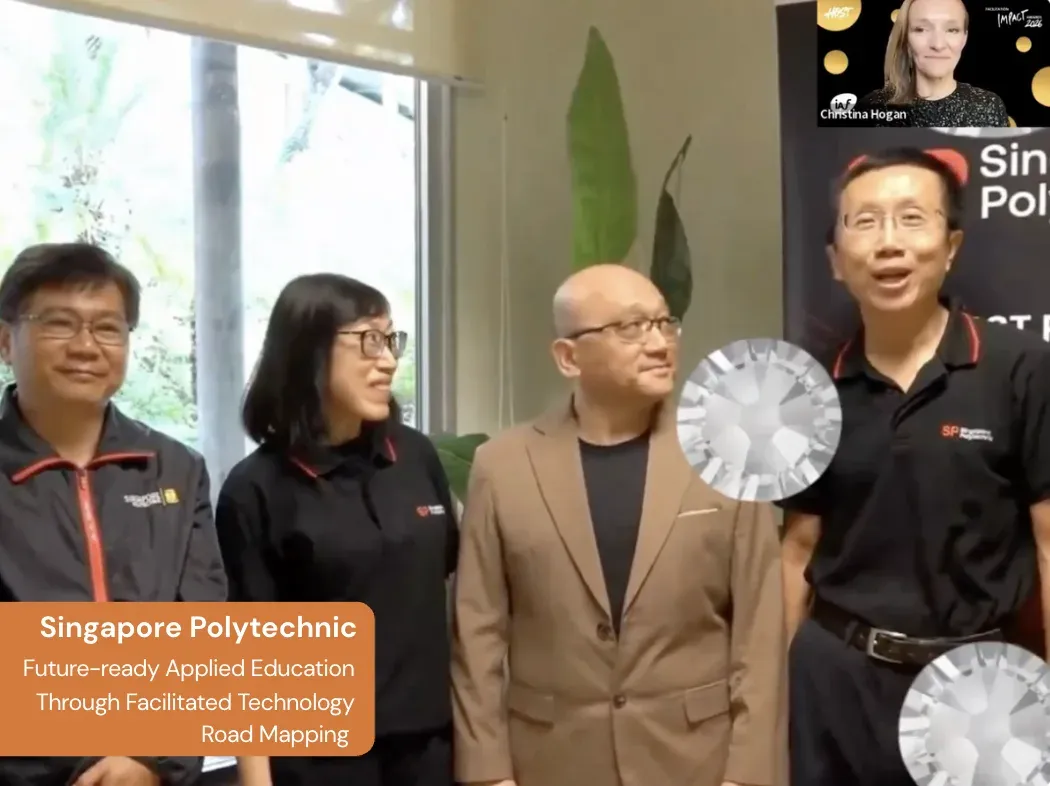
How GroupMap supported the IAF awards, start to finish
We had a hand in the day in a few different ways, each one tied to a different stage of the event.
Pre-event: sharing every winner’s impact story
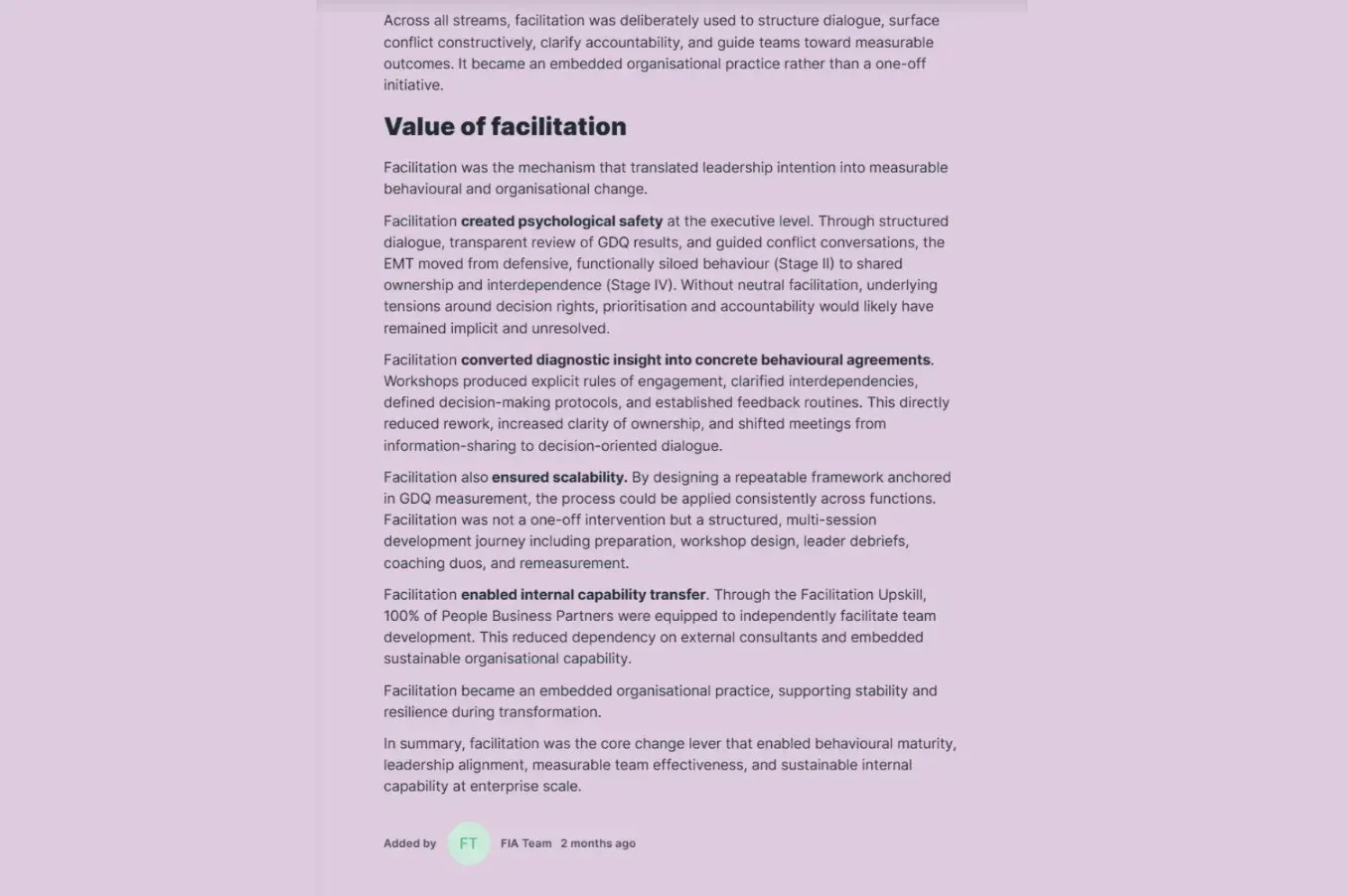
Ahead of the ceremony, the organizers used a GroupMap workspace to prepopulate the information and key learning points from each of this year’s winners: what they did, and the impact their facilitation work had. That let each organization’s story get shared widely with the facilitation community, rather than surfacing for the first time on stage.
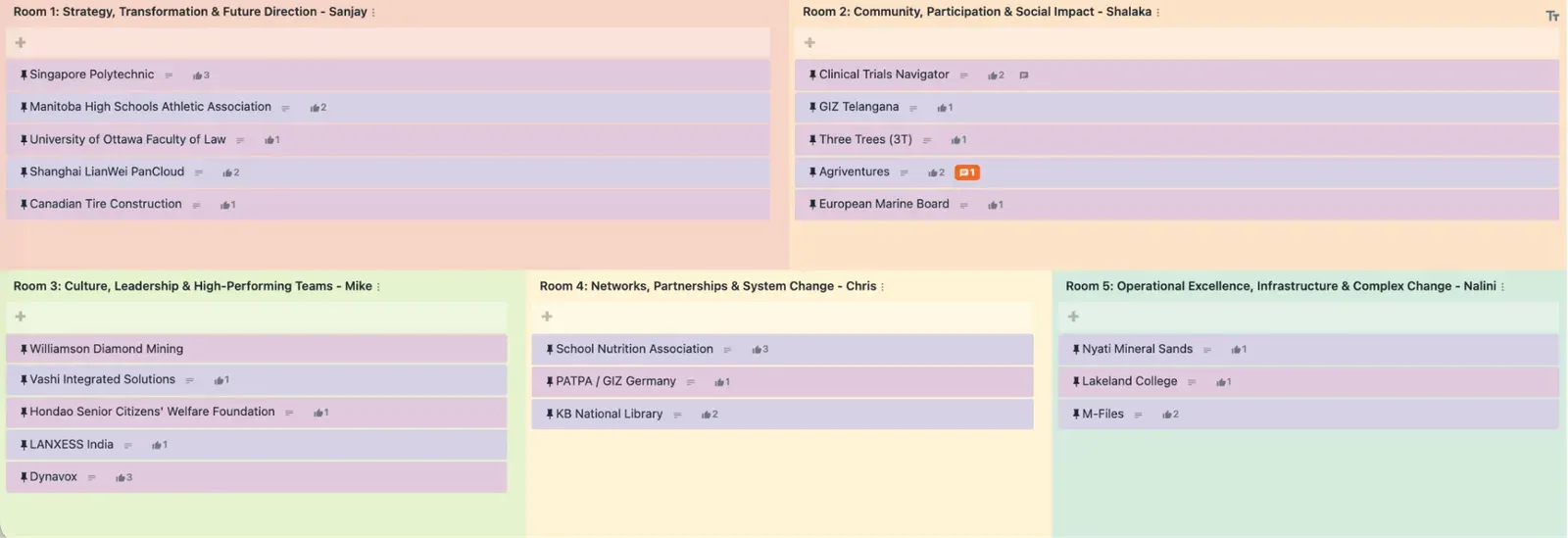
During the event: running the breakout sessions
On the day, the breakout sessions themselves were run using GroupMap. That’s where we were actually involved: hearing directly from the facilitators who visited each room and shared their own ideas and experiences. Most of what’s in this post comes straight from those conversations.
Post-event: a workshop for anyone who missed it
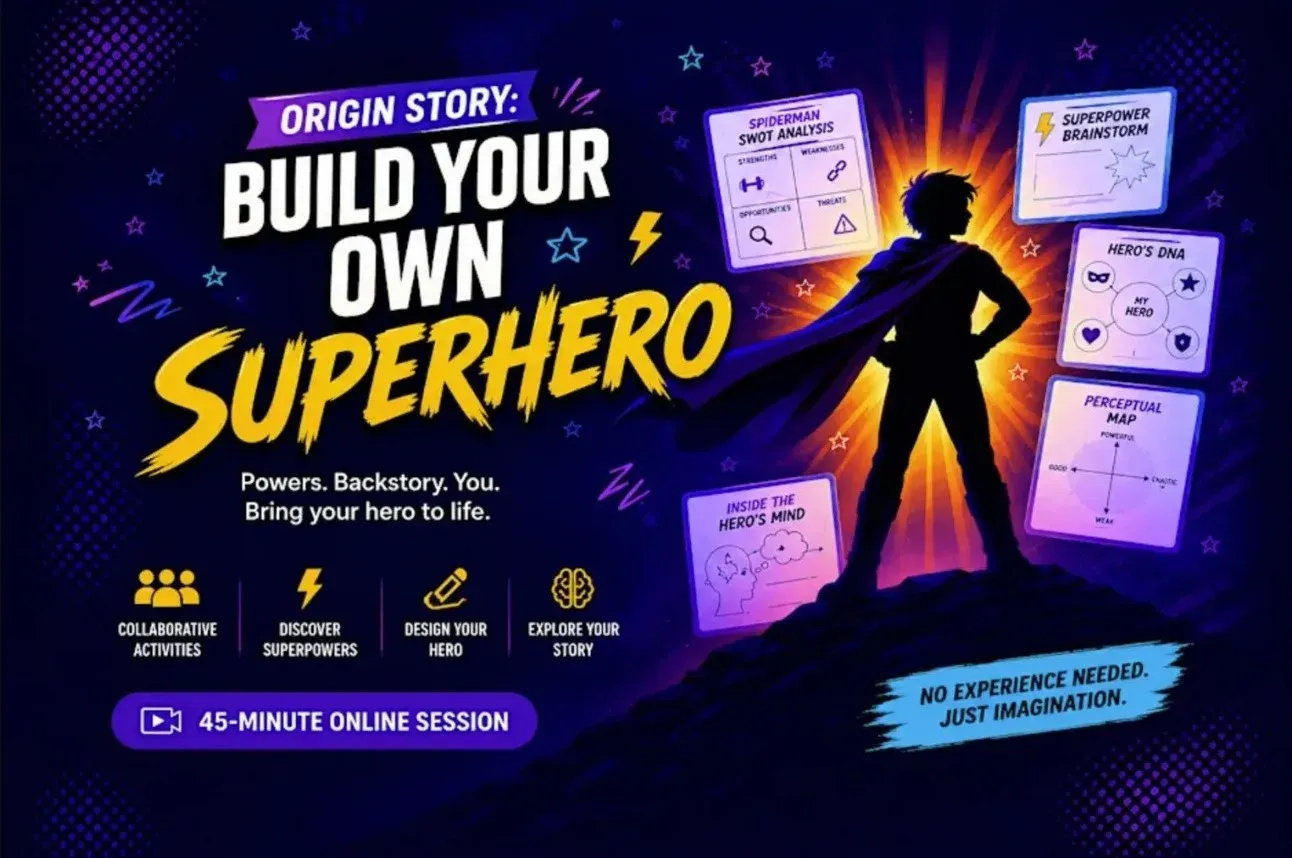
After the ceremony, we ran a follow-up workshop showing how GroupMap, a range of facilitation techniques, and AI can support facilitators in leading a session. And yes, we built a superhero in the process. Watch the workshop recording.
6 facilitation techniques we heard from the breakout rooms
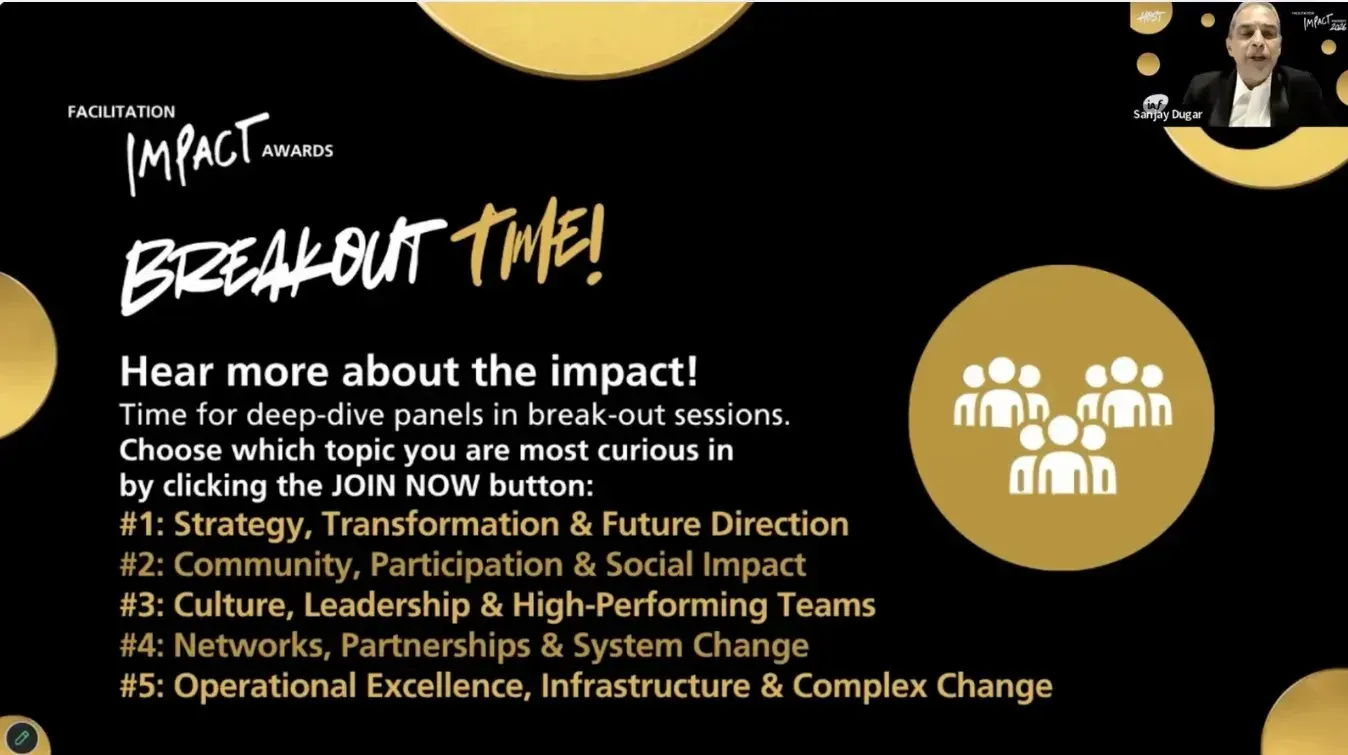
The five breakout rooms were organized around this year’s themes:
- Strategy, Transformation & Future Direction
- Community, Participation & Social Impact
- Culture, Leadership & High-Performing Teams
- Networks, Partnerships & System Change
- Operational Excellence, Infrastructure & Complex Change
Going into each room, participants could already see every nominee’s facilitated information, their project summary, impact, outcomes, methodology, and key success factors, shared through the GroupMap workspace ahead of time. That meant conversations could start from what had already worked rather than from scratch.
The shift, when it came, usually wasn’t dramatic. Participants described a slow build: refining an approach over a couple of years, someone stepping into a real facilitation role, and eventually noticing outcomes were just consistently better. A handful of specific facilitation techniques and habits came up again and again across the five rooms. Here’s what stuck with us.
1. The mid-session reframe
One moment came up in nearly every room. Facilitators call it the mid-session reframe: a facilitator pauses a conversation that’s going in circles, reframes the actual question on the table, and gets a decision moving that had been stuck for months.
It’s a small move: pause, name what’s really being asked, then hand the room a sharper question to answer. But people kept describing it like it changed everything.
2. Facilitation is a practice, not a rescue
Almost nobody in these rooms went looking for a facilitator on day one. Facilitation showed up after months of the same meeting playing out: the loudest voice winning, decisions made but never quite sticking, a tension in the room that everyone felt but nobody named. There wasn’t a single moment that triggered it, just a slow accumulation of “maybe it’ll sort itself out” before someone finally called it.
That late arrival was the pattern that stood out most across all five rooms. Facilitation gets brought in once things have already gone sideways, rather than being treated as an ongoing practice, and by then the problem has usually been sitting there unaddressed for a while.
Treating it as a practice also fixes something no format can. The fatigue that sets in around repeated sessions doesn’t get solved by rotating templates or switching up the agenda. What helps is someone skilled enough to notice the ceiling a group has hit and name it out loud, the same instinct behind the mid-session reframe.
3. Conditions over content
Across every conversation we sat in on, a key success factor was the person holding the space. That meant knowing when to reframe, reading what wasn’t being said, and making people feel safe enough to be honest and share their thoughts, whether verbally or in writing, manually or digitally.
That’s a point the IAF’s own Core Competencies make directly. Creating and sustaining a genuinely participatory environment is a distinct skill in its own right, separate from whatever process or agenda a facilitator happens to be running.
That showed up clearly in what organizations learned about their own people. The quietest person in a normal meeting often turned out to have the most important perspective; they just needed a structure that let them say it.
Good facilitation didn’t just collect opinions faster. It surfaced tensions that had been too polite to name and let leadership actually hear from everyone, not just the people who usually speak first.
4. Consistency beats frequency
Cadence mattered more than we expected. The rhythm shifted with the project: more frequent in early stages, steadier for long-term work. But the consensus was that regularity mattered more than frequency.
Three things kept coming up as the foundation everything else was built on:
- consistency,
- neutrality, and
- psychological safety.
That foundation isn’t guaranteed to hold, though. The struggles people described were just as consistent as the wins: letting go of old ways of doing things, and sessions quietly losing substance over time as the format stayed the same while the ideas dried up.
5. Facilitation-led leadership
One breakout room was less discussion and more show-and-tell. People shared how facilitation changed who got heard in their organizations: regular check-ins where input wasn’t second-guessed, techniques to stop one voice from dominating, and a strong sense that good facilitation was often the quiet reason a project succeeded at all.
6. Ask the room, not the person
A different conversation centered on this exact distinction: asking the room versus asking the person. It sounds like a small shift in facilitation style, but it changes who actually contributes.
Directing a question at the group rather than at an individual lowers the cost of speaking up for the people least likely to volunteer first.
Why this story stuck with our team
Put those six facilitation techniques together, and you get a profession at a strange moment. Distributed teams. More complex strategy work. Organizations navigating real change. The need for facilitation has never been higher, yet it’s still often mistaken for just running meetings.
What we heard, session after session, was that the real impact isn’t in any single session. It’s what a group becomes capable of after being held well, consistently, over years. It echoes what we heard from an IAF certified facilitator running a government health forum: the tooling matters far less than the person designing the process.
That’s a big part of why we wanted to be part of the Awards this year, in whatever way we could help: prepopulating winner stories in a workspace, running the breakout sessions, and following up with a workshop for anyone who couldn’t attend. We build tools for groups that are trying to think and decide together, and days like this are a good reminder of what that actually requires: not more structure for its own sake, but someone paying close enough attention to know when to change it.
Congratulations again to all of this year’s award winners. We’re glad we got to spend the day in the room with you.
Try the techniques yourself with GroupMap
None of the six facilitation techniques above need GroupMap to work. A mid-session reframe is a facilitator skill, not a feature. But if you’re running them without a shared, visual space for the room to think alongside you, you’re doing the hardest parts of the job with one hand tied behind your back: asking the room instead of the person is a lot easier when every participant has an equal-sized box to type into, and surfacing the quiet voice’s perspective is a lot easier when everyone adds their ideas independently first.
GroupMap’s facilitation tools are built for exactly that: a guided process that moves a group from ideas to priorities to action, not a blank canvas bolted onto a video call. If you want to see it in the context of a real facilitation session rather than a features list, book a live demo and try running one of these techniques in your next workshop.
2026 Facilitation Impact Awards winners
Congratulations to this year’s full list of honorees:
- Agriventures (Bulgaria)
- Canadian Tire (Canada)
- Clinical Trials Navigator Inc. (Canada)
- Dynavox Group (Sweden)
- European Marine Board (Belgium)
- Hondao Senior Citizen’s Welfare Foundation (Taiwan)
- KB, National Library of the Netherlands (Netherlands)
- LANXESS India (India)
- Lakeland College (Canada)
- M-Files (Finland)
- Manitoba High Schools Athletic Association (Canada)
- Nyati Mineral Sands (Tanzania)
- School Nutrition Association (United States)
- Secretariat of the Partnership on Transparency in the Paris Agreement (Germany)
- Shanghai LianWei PanCloud Technology (China)
- Singapore Polytechnic (Singapore)
- Sovereign Metals (Malawi)
- GIZ (Germany)
- Three Trees (3T.) (Singapore)
- University of Ottawa Faculty of Law, Common Law Section (Canada)
- Vashi Integrated Solutions (India)
- Williamson Diamond Mining (Tanzania)
To learn more about the awards themselves, see About the Facilitation Impact Awards and the International Association of Facilitators.
Related posts
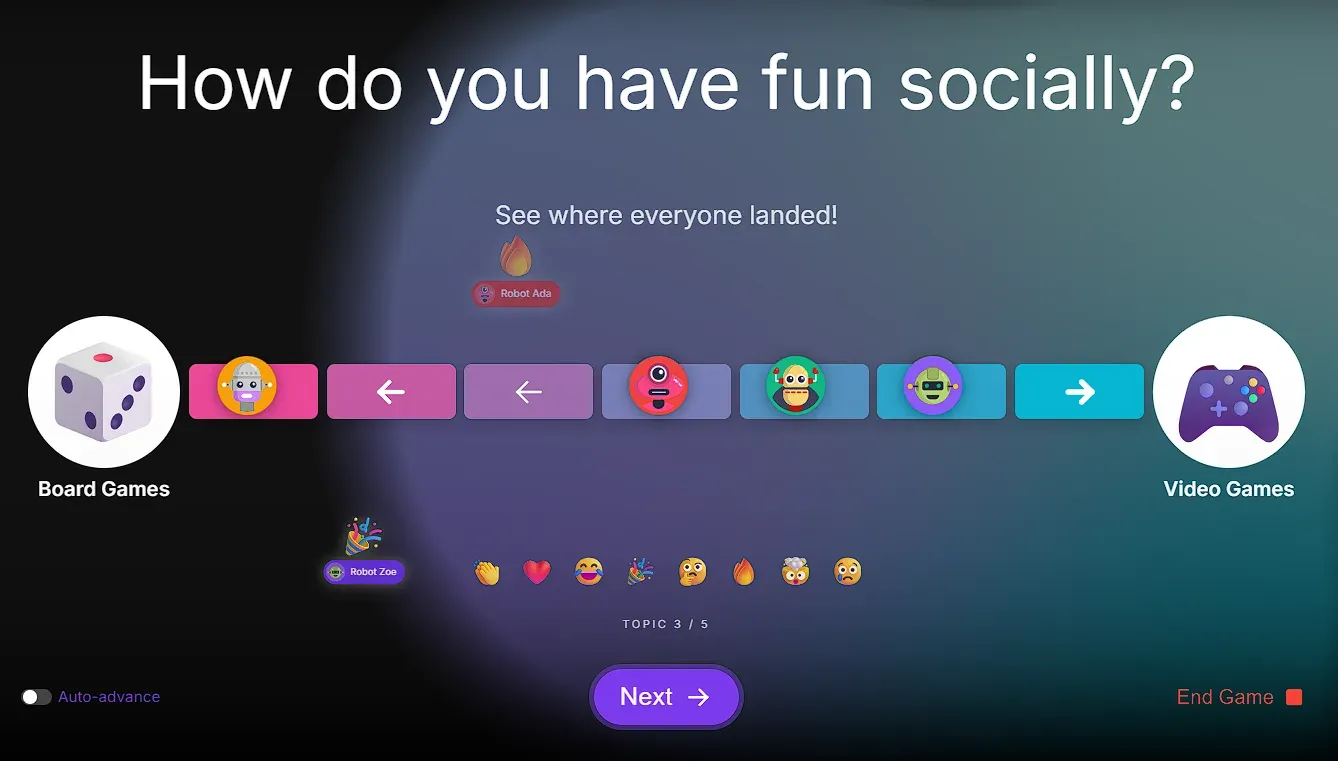 September 15, 202615+ cool icebreaker games you can run at your next meeting
Ready to add energy, get the room moving and talking? Warm up the whole room before you run your agenda with this collection of icebreaker games.
 August 24, 2026Meet Atlas: the AI facilitator built into your GroupMap session
GroupMap's AI facilitator reads what your team just wrote, mid-session. Visible to you alone, never to the group.
 December 28, 2024Online workshop facilitation tools for 2026
Build your 2026 toolkit with online workshop facilitation tools: plan agendas, engage participants, and capture actions with AI efficiently.
Ready to get everyone on the same page?
Start a free GroupMap and turn your next discussion into clear, shared decisions.